

Running payroll should never slow down a growing company. Yet thousands of founders and HR managers still spend days every month calculating salaries, checking statutory deductions, and correcting spreadsheet mistakes. That is why businesses now search for the Best Payroll Software for Small Businesses in India that can remove manual effort and keep salary processing accurate.
Modern payroll software for small business operations helps teams manage employee salaries, statutory deductions, and compliance records in one organised system. Whether you run a startup, agency, retail chain, or service company, the right small company payroll software reduces mistakes, keeps filings correct, and frees HR teams from repetitive work.
Many organisations are moving toward business payroll small software platforms that combine attendance data, salary calculations, and compliance reporting into one dashboard. A reliable payroll service for small company operations removes the risk of delayed filings and gives leadership clear payroll visibility every month.
Small companies need systems that are simple to use, affordable, and built around Indian statutory requirements such as PF, ESI, TDS, and Professional Tax. That is where structured payroll platforms like Bharat Payroll help businesses process salaries with confidence and stay prepared for compliance checks.
Time to look at why payroll automation is becoming essential for small companies across India.
Why Small Businesses in India Need Payroll Software
Payroll looks straightforward when the workforce is small. As a company grows, payroll becomes a complex monthly responsibility that requires careful attention to compliance rules and accurate calculations.
Many small companies rely on spreadsheets or manual calculations for salary processing. This approach works temporarily, but the risks grow with every new employee.
Payroll Challenges for SMEs
Small and mid-sized businesses face several payroll challenges every month. Manual salary calculations increase the chances of mistakes in deductions and allowances.
Keeping track of PF, ESI, TDS, and Professional Tax updates becomes difficult without a structured system. HR teams often spend days preparing salary sheets instead of focusing on employee development.
Handling contractors, part-time staff, and remote employees creates additional payroll complexity. Incorrect payroll entries can result in compliance notices or employee dissatisfaction. When these issues repeat month after month, payroll turns into an operational burden.
Manual Payroll vs Automated Payroll
Manual payroll requires spreadsheets, calculators, and repeated verification. HR teams must double-check deductions, tax calculations, and attendance records before processing salaries.
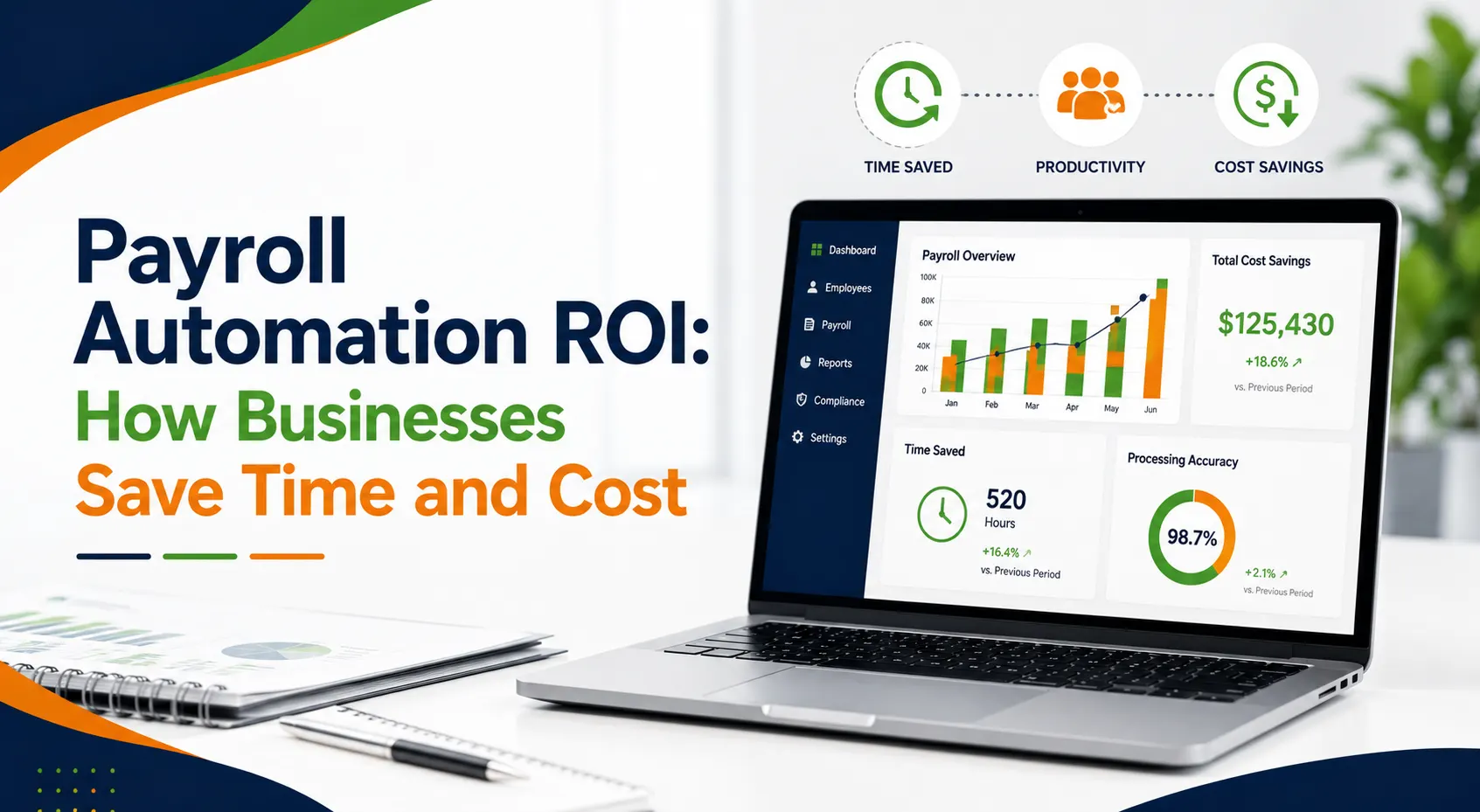
Automated payroll systems organise the entire workflow inside one platform. Salary calculations, statutory deductions, and payslip generation happen automatically after attendance data is synced.
For a small company payroll software environment, automation means fewer errors, faster salary processing, and complete statutory documentation when needed.
Companies that switch to payroll automation usually notice three immediate improvements. Salary calculations finish faster, and compliance records stay organised. HR teams recover valuable time.
Bharat Payroll supports this shift by linking attendance records, statutory deductions, and payroll processing within one unified environment built for Indian businesses.
Key Features to Look for in Payroll Software for Small Businesses
Selecting the best payroll software for small business teams requires more than comparing prices. Small companies need a system that supports compliance, simplifies salary calculations, and adapts as the workforce grows.
Below are the capabilities that matter most when evaluating payroll platforms.
Affordable and Practical for Growing Companies
Small companies operate with limited budgets. Payroll systems must remain cost-effective while supporting essential payroll operations.
Subscription pricing based on employee count allows businesses to start small and expand gradually. This approach avoids heavy upfront investment while giving companies access to an organised payroll infrastructure.
Compliance with Indian Payroll Laws
Indian payroll involves several statutory deductions and reporting requirements. A payroll system should automatically calculate and maintain records for PF, ESI, TDS, and Professional Tax.
Without automation, HR teams must track rule changes manually. Payroll platforms built for India update these rules automatically and generate reports required during compliance reviews.
Bharat Payroll maintains statutory deduction records and helps companies produce accurate payroll reports whenever needed.
Scalability for Expanding Teams
Small companies grow quickly when business demand increases. Payroll systems must support workforce expansion without requiring system migration later.
The best payroll software for small business environments can handle payroll for ten employees today and hundreds tomorrow without workflow disruption.
Automation for Salary Calculations
Salary processing involves multiple variables such as attendance, leave records, tax deductions, and allowances.
Automated payroll software calculates these components instantly once employee attendance and salary structures are defined. This reduces payroll preparation time significantly.
Mobile Accessibility
Employees often want quick access to salary slips, leave records, and payroll updates. Mobile access allows staff to review their payslips, tax deductions, and attendance data without contacting HR for every request.
This improves transparency and reduces administrative communication.
How Payroll Technology is Changing Payroll Management in India
Payroll management for small companies used to revolve around spreadsheets, manual tax calculations, and repeated cross-checking before salary disbursement. As workforce sizes grow and statutory obligations expand, this manual approach creates unnecessary pressure on HR teams.
Modern payroll platforms bring structure to salary processing. Instead of preparing payroll in isolated files, companies maintain employee salary structures, tax deductions, and attendance records in one organised environment.
This shift gives businesses better payroll accuracy and greater operational clarity.
Automated Payroll Accuracy
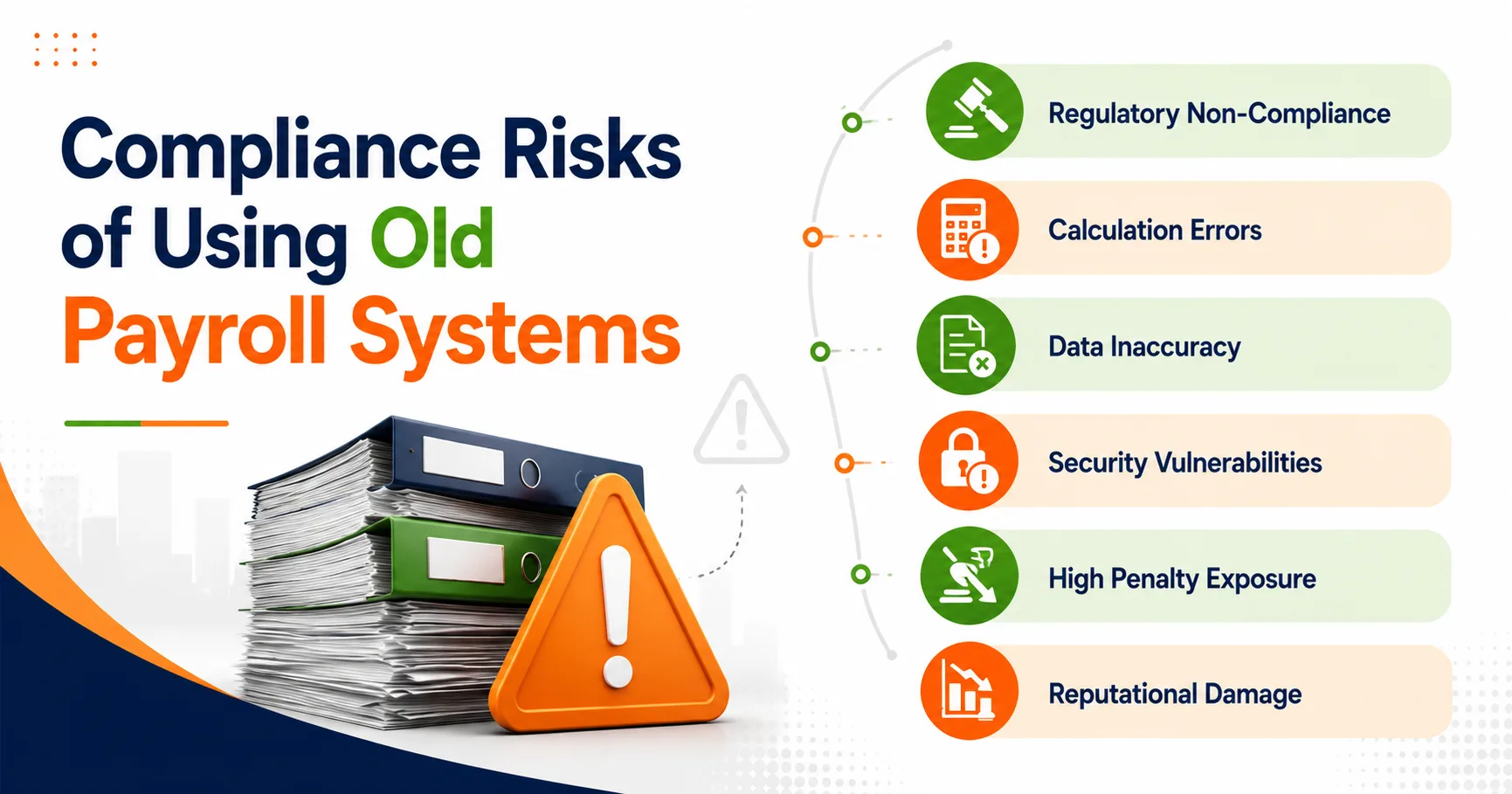
Payroll errors often originate from manual calculations or incorrect data transfers between attendance sheets and salary records. Even a minor mistake in tax deduction or overtime entry can result in employee disputes or compliance issues.
Structured payroll software for small business environments calculates salaries automatically once attendance and salary components are defined. Statutory deductions are applied correctly, and payslips are generated without repeated manual review.
For small companies, this reduces payroll correction cycles and prevents salary disputes.
Visibility for Business Owners
Founders and finance leaders often want a clear view of payroll costs. Without structured payroll systems, payroll data is scattered across multiple spreadsheets and accounting tools.
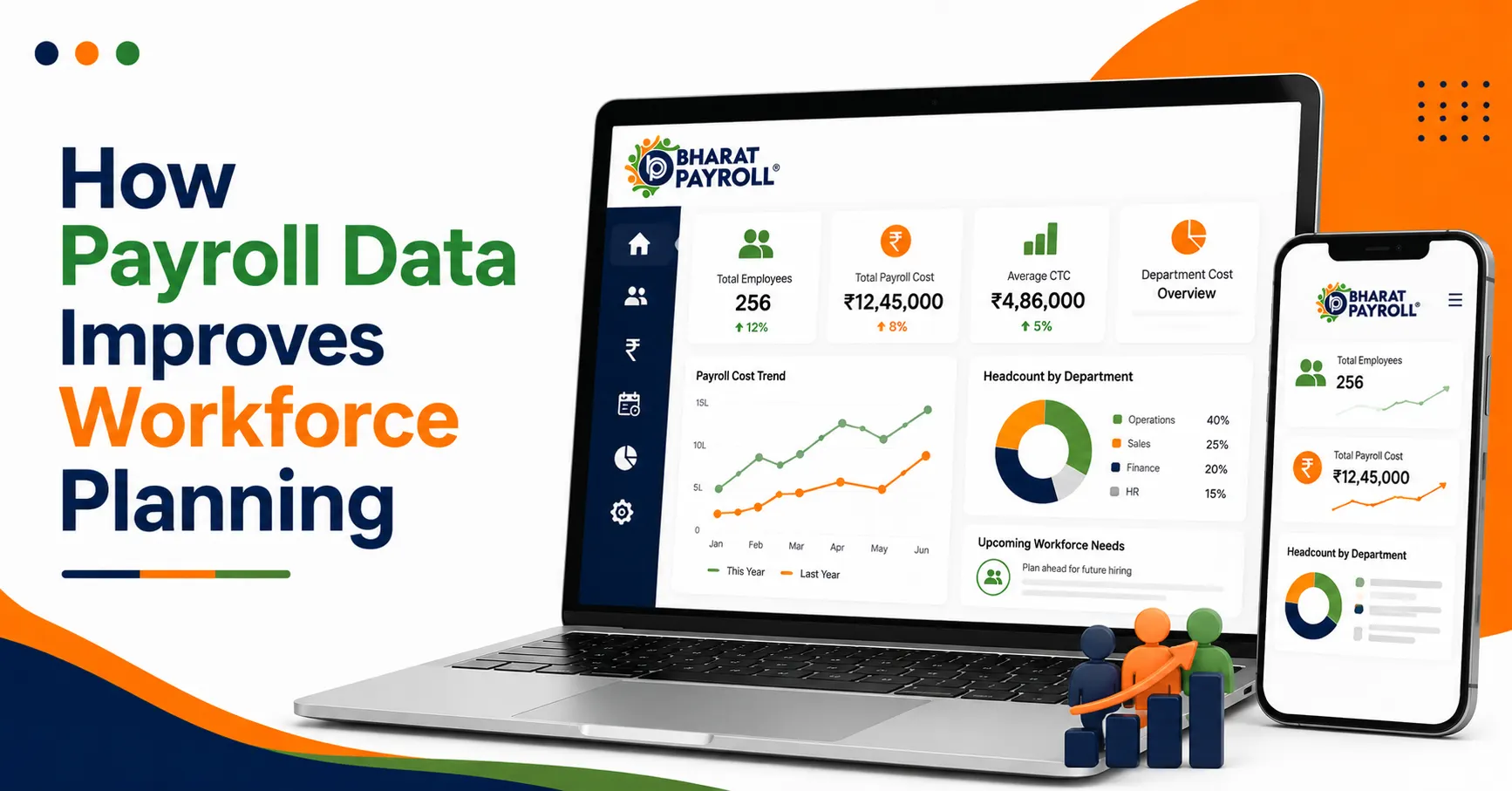
A unified payroll dashboard allows business owners to view salary expenses, statutory deductions, and department payroll distribution from one screen. This helps leadership track monthly salary expenditure with greater clarity.
Platforms such as Bharat Payroll support this by consolidating payroll records, employee data, and compliance documentation inside one system designed for Indian statutory requirements.
Preparing for Compliance Checks
Payroll documentation must be accurate and accessible during compliance inspections. Businesses must maintain records for PF, ESI, TDS, salary payments, and attendance logs.
Payroll platforms organise these records automatically so that businesses can produce payroll documentation whenever required. Instead of searching through files and spreadsheets, HR teams can generate reports instantly.
For small businesses operating across multiple Indian states, this structure provides valuable administrative stability.
Manual Payroll vs Payroll Software for Small Businesses
| Factor | Manual Payroll | Payroll Software |
| Salary Calculations | HR teams calculate salaries manually using spreadsheets | Salary calculations are automated based on defined salary structures |
| Payroll Processing Time | Payroll preparation can take several days each month | Payroll can be processed in minutes once employee data is configured |
| Error Risk | High risk of mistakes in deductions and salary calculations | Automated calculations significantly reduce payroll errors |
| Compliance Management | HR must manually track PF, ESI, TDS, and tax rule updates | Software automatically applies statutory deduction rules |
| Payroll Reporting | Reports must be created manually using spreadsheets | Payroll reports and summaries are generated instantly |
| Scalability | Difficult to manage when employee numbers increase | Easily scales as the workforce grows |
| Data Organization | Payroll data stored across multiple spreadsheets | Payroll records stored securely in one centralized system |
| Employee Access | Employees must request payslips from HR | Employees can access payslips through self-service portals |
| Operational Efficiency | Time-consuming administrative workload | Automation reduces HR workload and improves efficiency |
Payroll Software Pricing in India for Small Businesses
Pricing plays a major role when small companies evaluate payroll systems. Businesses must balance affordability with functionality.
Payroll software pricing usually follows three models.
Per Employee Monthly Pricing
Many payroll platforms charge a subscription fee based on the number of employees. This pricing structure allows small companies to start with low payroll costs and expand gradually as the workforce grows.
One-Time Software Purchase
Some traditional payroll systems require a one-time software purchase with additional charges for updates. While this approach may appear economical initially, it often requires manual maintenance and technical support.
Free Payroll Tools
Free payroll tools may support very small teams but usually lack compliance automation, payroll reporting, and statutory support. Businesses often outgrow these tools quickly.
For companies planning to scale, subscription-based payroll software provides greater operational flexibility.
Common Payroll Mistakes Small Businesses Make
Many small businesses begin payroll with spreadsheets or basic accounting tools. This approach may work during the early stages, but as the workforce grows, payroll errors start appearing more frequently. These mistakes often lead to compliance issues, salary disputes, and unnecessary administrative effort.
Recognising the most common payroll mistakes helps business owners avoid problems before they affect employees or regulatory filings.
Incorrect Statutory Deduction Calculations
Indian payroll involves multiple statutory deductions such as PF, ESI, Professional Tax, and TDS. When payroll is handled manually, even a small miscalculation can lead to incorrect salary payments or compliance discrepancies.
For example, incorrect PF contributions or delayed TDS deductions may create complications during statutory filings. Payroll software designed for Indian regulations calculates these deductions automatically and keeps records organised.
Missing Payroll Deadlines
Small companies often manage payroll alongside other operational tasks. When payroll preparation is delayed, statutory payments and filings may also be postponed.
Late filings for PF, ESI, or TDS can result in penalties or interest charges. A structured payroll system keeps payroll schedules organised and helps businesses process salaries on time every month.
Inconsistent Attendance Records
Salary calculations depend heavily on accurate attendance data. When attendance records are maintained separately from payroll spreadsheets, mismatches between working hours and salary calculations become common.
This creates confusion during payroll processing and may lead to salary corrections after payroll release. Payroll systems that integrate attendance data help ensure salary calculations match employee work records.
Poor Documentation for Compliance
During compliance reviews or labour inspections, businesses must produce accurate payroll records. These records include salary details, deduction summaries, and employee attendance documentation.
Companies that rely on scattered spreadsheets or paper files often struggle to compile these records quickly. Payroll platforms store payroll history and reports in an organised system, making documentation easier to retrieve.
Limited Visibility for Business Owners
Without structured payroll software, founders and finance leaders may not have clear insight into salary expenses, tax deductions, or payroll trends.
This lack of visibility makes it difficult to forecast salary costs or plan hiring decisions. Payroll systems provide clear payroll summaries that help leadership track monthly salary expenditure.
How Payroll Software Helps Prevent These Mistakes
Payroll automation helps small companies avoid these common issues by organising payroll data inside one platform. Attendance records, salary structures, statutory deductions, and payroll reports remain connected, reducing the chances of calculation errors or missing records.
Solutions such as Bharat Payroll support small businesses by maintaining organised payroll workflows and statutory documentation. This allows HR teams to process payroll accurately while keeping compliance records ready when required.
Explore Bharat Payroll Features
How to Choose the Right Payroll Software for Your Business
Selecting payroll software should involve careful evaluation of operational requirements. Business owners and HR teams should consider the following factors before implementing a payroll platform.
Checklist for Small Businesses
- Does the software support PF, ESI, TDS, and Professional Tax calculations
- Can it generate digital payslips and payroll reports
- Is it suitable for teams that may grow from 10 to 200 employees
- Does it integrate with attendance systems and leave records
- Is the interface simple enough for HR teams to manage without technical training
These questions help businesses determine whether the payroll system fits their operational needs.
Questions Business Owners Should Ask Vendors
- How frequently are statutory deduction rules updated
- Does the software maintain historical payroll records
- Is customer support available for payroll queries
- Can payroll data be exported for accounting or compliance reporting
Evaluating these aspects before purchase helps businesses avoid operational disruption later.
Operational Examples from Small Businesses Using Payroll Software
Payroll automation is not only about technology. Its real value appears when businesses notice fewer payroll corrections, faster salary processing, and clearer records during compliance reviews. Across India, small companies in different industries are adopting structured payroll systems to simplify salary administration.
Service Agency Managing Distributed Teams
A marketing services company operating across Delhi and Pune managed payroll manually for years. HR teams maintained spreadsheets for attendance, overtime, and tax deductions.
As the workforce crossed fifty employees, payroll preparation began consuming several days every month. Attendance data needed manual reconciliation and tax calculations required repeated checks.
After implementing a structured payroll software for small business operations, the agency integrated attendance tracking with salary calculations. Payroll preparation time dropped significantly and HR teams gained organised records for PF and TDS deductions.
The company now processes payroll through Bharat Payroll and maintains payroll records digitally for future reference.
Retail Chain with Multiple Locations
A growing retail brand with stores across Mumbai and Ahmedabad faced payroll complexity due to shift-based employees and part-time staff.
Manual payroll created frequent discrepancies between attendance sheets and salary records. Managers often submitted shift data late, delaying payroll preparation.
With a small company payroll software platform in place, the company centralised attendance records and automated salary calculations. Store managers now submit attendance digitally and payroll processing is completed within a few hours.
This shift reduced salary disputes and allowed finance teams to review payroll summaries before salary release.
Technology Startup Scaling Rapidly
A software startup in Bengaluru expanded from fifteen employees to more than seventy within one year. Payroll management through spreadsheets became difficult as tax deductions and salary revisions increased.
Adopting business payroll small software allowed the startup to organise salary structures, tax deductions, and payroll reports in one place. The HR team now processes salaries quickly and maintains accurate payroll documentation.
These operational examples show why many companies consider payroll software an operational necessity once employee numbers grow.
Addressing Communication Gaps in Payroll Operations
Payroll errors often originate from communication gaps between HR teams, finance departments, and employees. When salary data, attendance records, and tax deductions are maintained in different tools, confusion grows.
Structured payroll systems remove this fragmentation by maintaining all payroll information in a single environment.
- Employees can review salary slips directly through the payroll system.
- HR teams can verify attendance-linked salary calculations before salary release.
- Finance teams can export payroll summaries for accounting records.
This level of clarity reduces payroll disputes and improves employee trust in salary processing.
Executive Summary for Business Leaders
Small companies operate with limited administrative capacity. Payroll systems that depend on manual calculations create operational stress and increase the likelihood of salary errors.
An organised payroll software for small business environment simplifies salary management by linking attendance records, statutory deductions, and salary processing within one system.
Businesses that adopt structured payroll platforms gain several operational advantages.
- Salary calculations remain accurate.
- Compliance records stay organised.
- Payroll preparation time reduces significantly.
- Finance teams maintain clear salary expenditure records.
As businesses expand their workforce, these improvements contribute directly to operational stability.
How Bharat Payroll Simplifies Monthly Payroll Operations
Bharat Payroll connects salary processing, attendance records, and statutory deductions within a single workflow so HR teams can manage payroll without switching between systems.
Once employee salary structures and attendance records are defined, payroll processing follows a clear sequence inside the platform.
Key operational capabilities include:
- Automated salary calculations linked to attendance data
- Statutory deductions for PF, ESI, Professional Tax, and TDS
- Digital payslip generation for employees
- Payroll reports for finance and statutory documentation
- Structured employee salary history and payroll records
This approach helps HR teams process payroll faster while maintaining organised documentation for compliance reviews.
Companies that transition from spreadsheets to Bharat Payroll often notice shorter payroll preparation cycles and fewer salary corrections.
Start Simplifying Payroll for Your Business
Stop spending hours on payroll. Bharat Payroll automates salary processing, compliance, and payroll management in one platform.
Frequently Asked Questions
1. Which is the best payroll software for small businesses in India?
The best payroll software for small business teams supports salary automation, statutory compliance for PF, ESI, and TDS, and provides organised payroll reports for accounting and compliance purposes.
2. How much does payroll software cost for small companies?
Payroll software pricing in India often depends on employee count. Many platforms offer subscription models where companies pay a monthly fee based on workforce size.
3. Why should small companies adopt payroll software?
Payroll software reduces manual salary calculations, prevents compliance mistakes, and allows HR teams to process payroll faster while maintaining accurate records.
4. Can payroll software manage statutory deductions?
Yes. Modern payroll systems automatically calculate statutory deductions such as PF, ESI, Professional Tax, and TDS based on employee salary structures.
5. Is payroll software suitable for startups?
Yes. Startups benefit from payroll software because it simplifies salary processing, maintains organised payroll records, and prepares the business for workforce expansion.