
Managing employee information was difficult for many companies in the past. HR teams used spreadsheets, emails, and paper files to manage daily HR tasks. These methods caused delays, mistakes, and confusion as the organization’s workforce grew.
As businesses expanded, employee data became harder to manage correctly. Payroll processing, attendance management, and employment regulations added complexity. Manual systems and legacy systems could not support proper management for long.
At Bharat Payroll, we work closely with HR professionals across many industries. We see the same challenges appear as HR departments add more employees. Old HR tools and siloed data stores make HR work slow and risky. A comprehensive HRIS supports the HR department by automating and streamlining processes, significantly reducing manual HR tasks and freeing up time for more strategic initiatives.
This is where a Human Resources Information System, or HRIS, becomes important. An HRIS centralizes workforce information, payroll, attendance, and HR operations within a single platform. HRIS platforms are designed to integrate with existing processes, policies, and providers, minimizing disruption and allowing businesses to adopt the system without overhauling their current workflows. It brings order, accuracy, and clarity to human resource management.
What Is an HRIS?
A human resources information system is a software solution that supports daily HR operations, providing core HR services such as payroll, benefits, and employee data management. It securely stores employee information in a centralized digital system used by HR teams. The system also supports routine HR-related tasks and important administrative tasks.
An HRIS replaces spreadsheets, emails, and disconnected HR systems used in the past. It keeps employee records accurate across HR software, HR tools, and HR systems. HRIS software integrates multiple HR functions—such as payroll, benefits administration, recruitment, and performance management—into a single platform. Only approved HR personnel can view, edit, or manage sensitive employee information.
HR teams use HRIS software to reduce manual data entry and repetitive work through centralized employee records management. They also use it to support regulatory compliance and accurate reporting, as HRIS systems collect and manage human resource data for better decision-making. This makes HR work more reliable, consistent, and well-organized.
HRIS Meaning in Simple Words
HRIS stands for Human Resources Information System, used by HR teams. It is a digital resource information system that stores human resources information safely. It helps manage people-related data in one central place.
An HRIS allows HR professionals and HR managers to track employee data clearly and accurately. HR managers use HRIS to efficiently manage HR functions and support strategic decisions. It supports HR strategy and core HR processes across the organization. This helps HR leaders make better decisions using trusted information.
HR leaders rely on HR information systems to manage the entire employee lifecycle. From hiring to exit, employee data stays connected and updated. This improves employee experience and builds trust across the organization.
What Does an HRIS System Do?
An HRIS system supports both daily HR tasks and long-term planning activities. It manages employee data from hiring to exit across the organization. Operational HRIS systems are designed to streamline routine HR activities, making them essential tools for improving efficiency within HR departments. This reduces repeated manual work for HR teams significantly.
Many HR-related tasks become automated workflows when using an HRIS system. These platforms help automate various HR processes—such as recruitment, payroll, attendance, and performance management—reducing reliance on manual HR tasks. HR teams spend less time handling forms, files, and manual updates. They gain more time to focus on people and workplace needs.
An HRIS keeps employee data accurate and updated at all times. Changes apply across payroll processing, attendance, and benefits management automatically. This avoids employee information mismatches across HR processes.
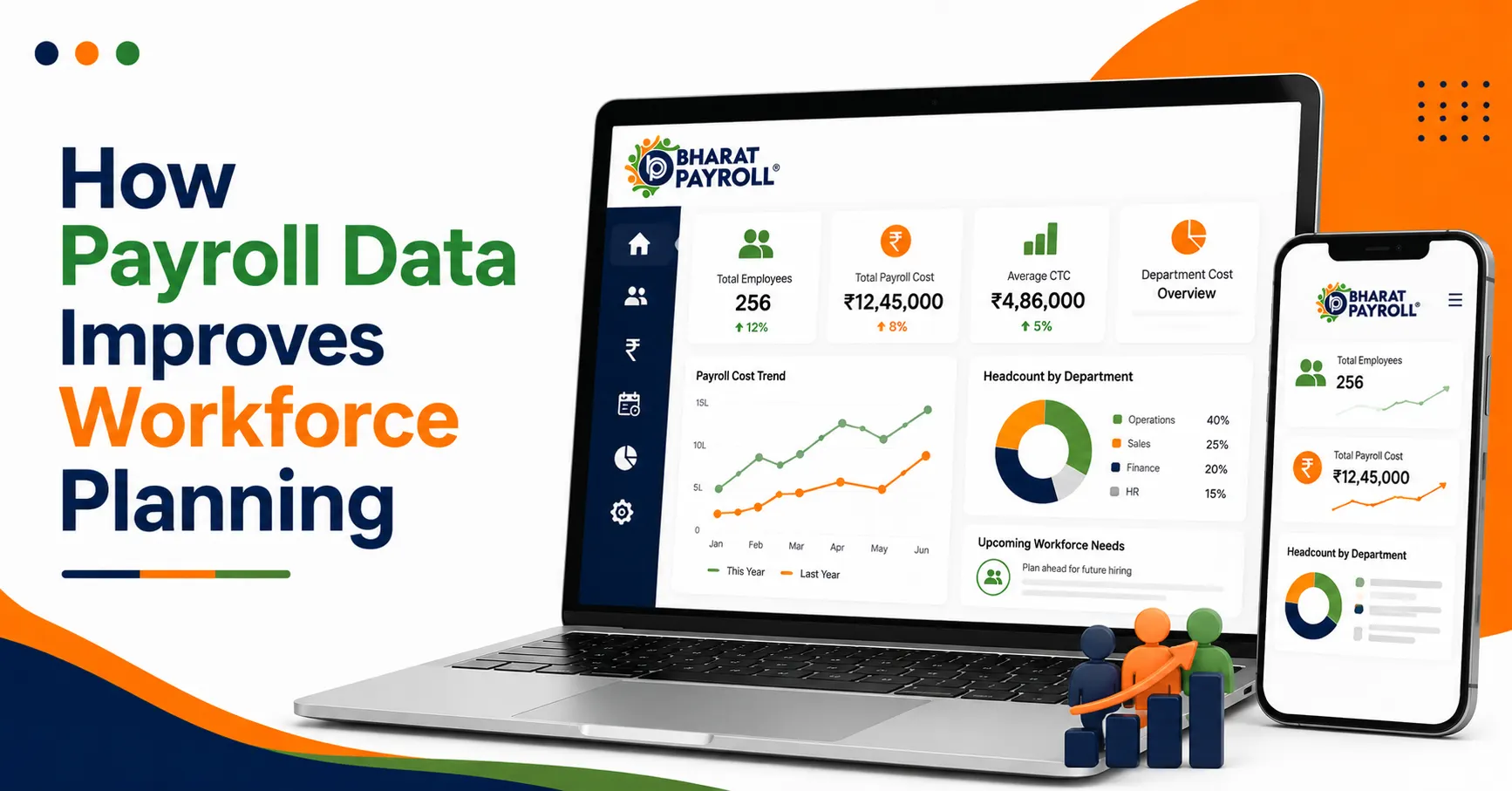
The system also creates reports using a real-time data model. These reports support HR metrics, planning, and compliance checks. HR leaders make better decisions using reliable HR data.
How HRIS Supports Core HR Functions
An HRIS supports essential HR functions by connecting people, data, and HR processes inside one system, especially when paired with comprehensive human resources services and solutions.
1. Employee Data Management
An HRIS system centralizes employee data management for HR departments. Employee information stays accurate across HR tools and HR systems.
2. Payroll and Attendance Management
Payroll processing and attendance management work together within HRIS software. Integrated time tracking features monitor employee attendance, automate clock-in and clock-out data, and ensure payroll accuracy, improving operational efficiency and reducing manual data entry.
3. Benefits and Performance Tracking
Benefits administration and performance management stay connected with employee records. Employee performance management is streamlined within HRIS platforms, enabling HR teams to evaluate, develop, and engage employees more effectively. Additionally, compensation management is integrated with payroll and benefits in comprehensive HRIS solutions, aligning employee compensation with organizational strategies and ensuring consistency across HR functions.
4. Hiring and Onboarding Integration
Applicant tracking and talent acquisition data flow smoothly into employee profiles. New hires enter the system without creating siloed data stores.
HRIS vs Other HR Systems
Many organizations confuse HRIS with other HR systems used in business. Understanding a few key differences helps HR leaders choose the right solution. The HRIS stands for its position as the foundational system for HR data and processes within an organization, serving as the core framework that supports all HR operations and decision-making.
HRIS vs. human capital management focuses on daily HR operations. Human capital management systems focus on long-term workforce planning, and platforms like Bharat Payroll provide integrated HRMS and payroll software that bridge both operational and strategic needs.
HRIS vs. human resources management system shows some functional overlap. HRIS remains the main foundation for storing HR data.
HRIS vs. customer relationship management serves very different business goals. CRM manages customers, while HRIS manages employee information.
Types of HRIS Systems
Not all HR information systems work the same way for organizations. Companies choose systems based on size and HR needs.
Operational HRIS systems support daily HR operations by collecting and reporting human resource data such as employee records and performance appraisals. Tactical HRIS systems focus on specific HR functions like recruiting, training, and compensation, aiding in resource allocation and team development decisions.
Strategic HRIS systems are specialized solutions that support long-term organizational planning and data-driven decision-making, assisting with workforce strategy, succession planning, and aligning HR functions with business growth objectives by providing insights into labor resources and operational budgets, especially when supported by automated payroll processing services.
A comprehensive HRIS system integrates operational, tactical, and strategic HR functions, serving as a centralized platform for managing various HR-related tasks. Limited function HRIS supports only basic HR processes. Modern HRIS platforms support flexible growth.
HRIS for Small and Growing Businesses
Small businesses often start with existing systems and manual HR tools. As teams grow, these tools become hard to manage correctly. An HRIS helps organize employee data early, and affordable HR and payroll software pricing options make it easier for growing companies to adopt these systems.
Modern HRIS solutions grow along with the business. Companies can start with basic features and expand later. As businesses grow, applicant tracking systems are often included in HRIS platforms to streamline recruitment and improve hiring efficiency. This helps streamline HR processes smoothly.
HRIS and Attendance Management
Attendance management is an essential HR function. Manual systems often miss accurate work hours. An HRIS provides clear and reliable attendance tracking.
Employees can view attendance records easily online. HR teams resolve attendance issues faster. This improves fairness and transparency, which is especially valuable in environments like retail payroll and HR operations.
HRIS and Benefits Management
Managing benefits manually often creates confusion for employees. Rules differ by role, location, and employment type. An HRIS stores benefits details clearly.
Employees can check benefits without contacting HR teams. HR teams manage updates easily. This reduces daily workload, which is critical for sectors such as healthcare payroll and HR services.
HRIS and Performance Management
Performance management requires structure and clear records. Manual reviews often feel inconsistent and unclear. An HRIS provides a clear review process that scales well for IT companies using innovative HR solutions.
Managers track goals and progress easily. Employees understand expectations better. This supports growth and learning.
HRIS and Workforce Reporting
HR leaders need clear workforce data to plan effectively. Manual reports take time and may contain errors. An HRIS creates accurate reports automatically.
Reports support audits and planning decisions. HR teams gain better visibility. Decisions become easier.
HRIS and Compliance Management
HR teams must follow government employment laws and rules. Rules vary by region and role. Missing rules cause risk.
An HRIS supports regulatory compliance and local data protection. Audit readiness improves. Compliance becomes easier.
HRIS Data and Security
HR data is sensitive and valuable. Security is critical for trust.
An HRIS controls access carefully. HRIS data remains protected. Trust improves.
Human Capital Management (HCM) and HRIS
Human Capital Management (HCM) focuses on long-term workforce strategy, including talent development, employee engagement, and organizational growth. An HRIS supports HCM by centralizing employee data, automating HR operations, and providing insights that help businesses make better workforce decisions.
How Bharat Payroll Supports HRIS Needs
At Bharat Payroll, we build modern HRIS solutions for growing organizations. Our HR solutions focus on accuracy and ease of use.
We support payroll processing, attendance management, and HR reporting. As a trusted HRIS provider, we help HR teams save time. HR work becomes simpler and more reliable.
Final Thoughts: Why HRIS Matters Today
HR management is no longer simple for modern organizations. Growth adds data, rules, and complexity.
A modern HRIS supports proper management across teams. It keeps HR work organized and accurate.
At Bharat Payroll, we help businesses move forward confidently. Using an HRIS is no longer optional today. It is essential.
Unlock Strategic Insights with a Modern HRIS
Turn your HR operations into a strategic advantage with Bharat Payroll’s smart HRIS software.
Frequently Asked Questions
1. What are the key features of an HRIS?
A modern HRIS typically includes employee data management, payroll processing, benefits administration, performance management, and reporting tools. Many solutions also offer modules for applicant tracking, time and attendance, and employee self-service.
2. How do I choose the right HRIS for my organization?
Start by assessing your HR processes and identifying your organization’s specific needs. Consider factors such as company size, integration requirements, scalability, and user experience. Consult with HR professionals and review demos of various HRIS solutions to find the best fit.
3. What are the benefits of implementing an HRIS?
An HRIS streamlines HR processes, reduces manual work, and improves data accuracy. It enhances employee experience by providing easy access to information and self-service options. Organizations also benefit from better compliance, reporting, and the ability to focus on strategic initiatives.
4. How do I ensure a smooth transition to an HRIS?
Successful implementation involves careful planning and collaboration between HR and IT teams. Define user requirements, select the right HRIS, configure the system, and conduct thorough testing. Provide comprehensive training for users and establish ongoing support to address any issues.