
Payroll problems rarely start in payroll. They start with attendance.
In many Indian organizations, attendance data lives in one place and payroll systems live in another. HR teams manually transfer employee hours, overtime, and leave data every month. Each transfer increases the risk of payroll errors.
At Bharat Payroll, we consistently see this pattern. Manual data entry creates inaccuracies. Payroll calculations drift. Compliance pressure rises. Employees lose trust. This is why HR attendance software with payroll integration is no longer optional. It is a core requirement for accurate payroll processing in India.
Attendance and Payroll Are Already Linked in Reality
Think about your payroll cycle. Every calculation depends on employee time. When attendance records are incomplete or delayed, payroll accuracy suffers.
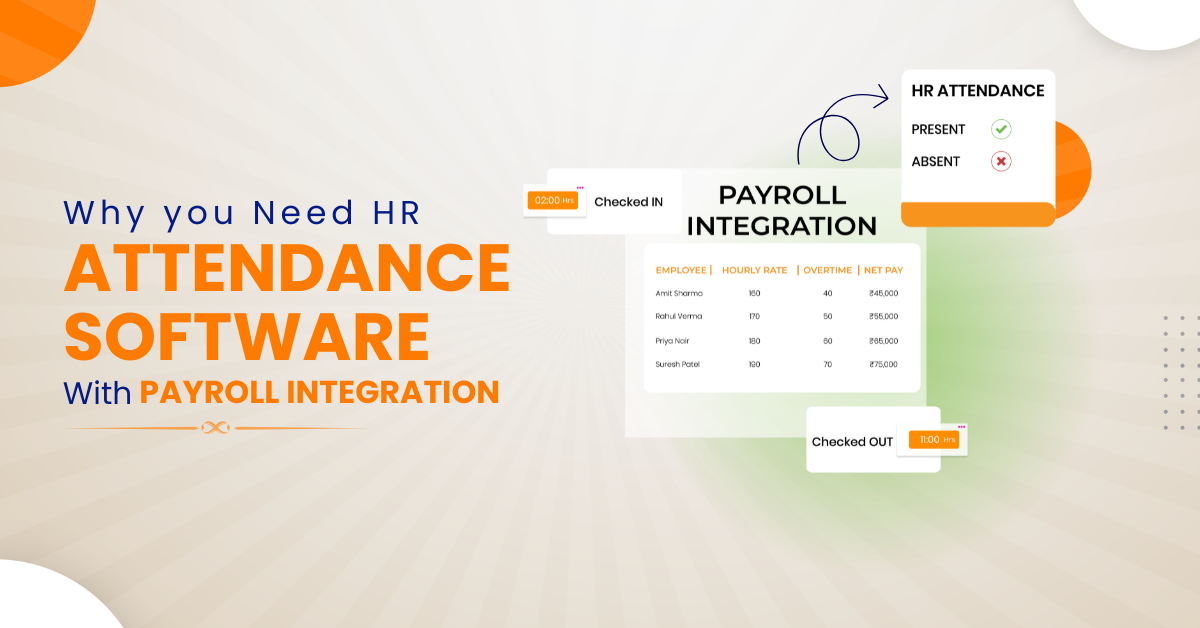
An integrated attendance system automatically feeds attendance data into payroll software. Employee hours move without friction. Payroll systems calculate wages using verified data. This seamless data flow removes dependency on spreadsheets and manual corrections.
The result is predictable payroll operations and fewer surprises.
Why Manual Time Tracking Breaks at Scale
Manual time tracking may work for very small teams. It fails as businesses grow.
Every manual step introduces risk. Every data transfer creates room for human error. Attendance records get updated late. Payroll administrators spend days reconciling mismatches.
This is not an efficiency problem. It is a reliability problem.
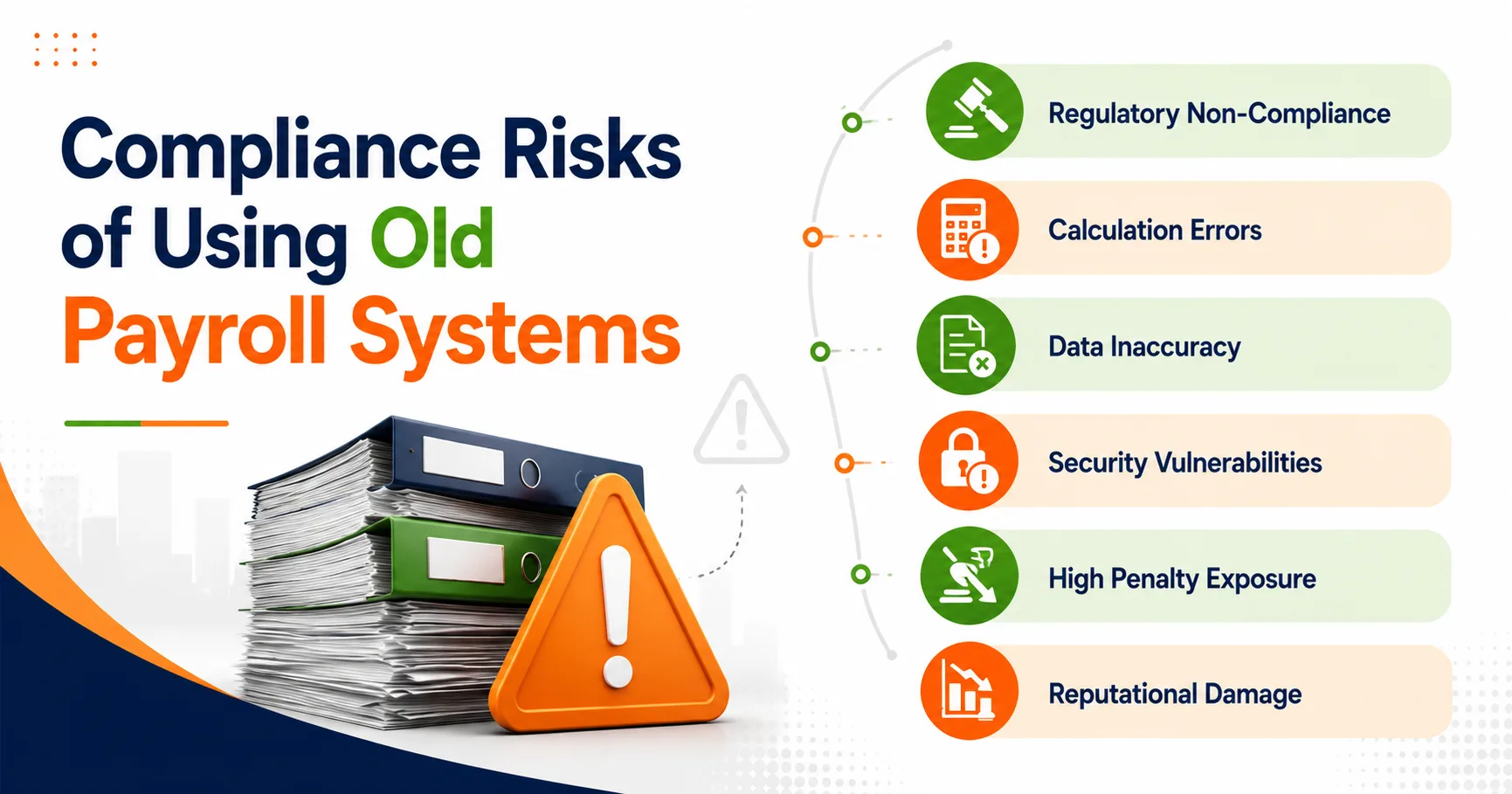
Manual systems increase payroll errors, inflate administrative workload, and weaken compliance management under Indian labor laws.
Payroll Errors Hurt More Than Just Numbers
Payroll errors do not stay on balance sheets. They affect people.
When employee wages are incorrect, employees notice immediately. When payroll taxes are wrong, compliance risks increase. When errors repeat, employee morale drops.
An integrated payroll solution reduces these risks. Attendance data flows directly into payroll calculations. Accurate time tracking supports accurate payroll processing. Trust improves across the organization.
How Accurate Time Tracking Improves Payroll Accuracy
Attendance software captures employee time objectively. It does not forget entries. It does not misread handwriting. It does not skip over time.
Accurate time tracking ensures payroll calculations reflect real working hours. Leave balances stay updated. Employee schedules align with recorded attendance. Payroll accuracy improves consistently.
This foundation is essential for workforce management and long-term stability.
Manual vs Integrated (High Impact)
Use this once to visually reinforce the message.
Area | Manual Systems | Integrated Systems |
|---|---|---|
Data entry | Repeated manual entry | Seamless data transfer |
Payroll accuracy | Error-prone | Accurate payroll processing |
Compliance | Risky | Controlled and compliant |
This contrast makes the value obvious without overusing tables.
Operational Efficiency Improves Naturally With Integration
Payroll integration does not force efficiency. It creates it.
When attendance and payroll systems are connected, repetitive tasks disappear. HR processes become simpler. Payroll operations run faster. Administrative burden drops without adding resources.
HR professionals spend less time fixing errors and more time supporting employee productivity.
That is how organizations enhance operational efficiency sustainably.
Compliance Becomes Built-In, Not Reactive
Indian labor laws require accuracy. Provident Fund, ESI, professional tax, and wage rules leave little room for error.
Integrated payroll systems help ensure regulatory compliance by design. Attendance data supports payroll calculations. Statutory deductions align automatically. Audit-ready records remain available.
This reduces stress for payroll administrators and business owners alike.
Data Security Improves When Systems Are Unified
Payroll data contains sensitive employee information. Disconnected systems increase exposure.
An integrated platform limits access. Only authorized personnel can view payroll data. Strict access controls reduce risk. Regular security audits protect sensitive data.
Security is not a feature. It is a requirement.
Employees Feel the Difference Immediately
Employees may not see systems. They feel outcomes.
Accurate payroll builds confidence. Transparent attendance tracking reduces disputes. Payroll errors decline. Employee satisfaction improves.
When employees trust payroll systems, employee morale rises, and productivity follows.
Workforce Management Becomes Smarter, Not Harder
When workforce data is accurate, decisions improve.
HR teams gain visibility into employee hours, trends, and productivity patterns. Performance management aligns with attendance data. Resource allocation becomes data-driven.
Integration turns workforce data into an asset, not a problem.
Integrated Payroll Supports Better Decision Making for Management
Payroll data is not just for salary slips. It is a powerful decision tool.
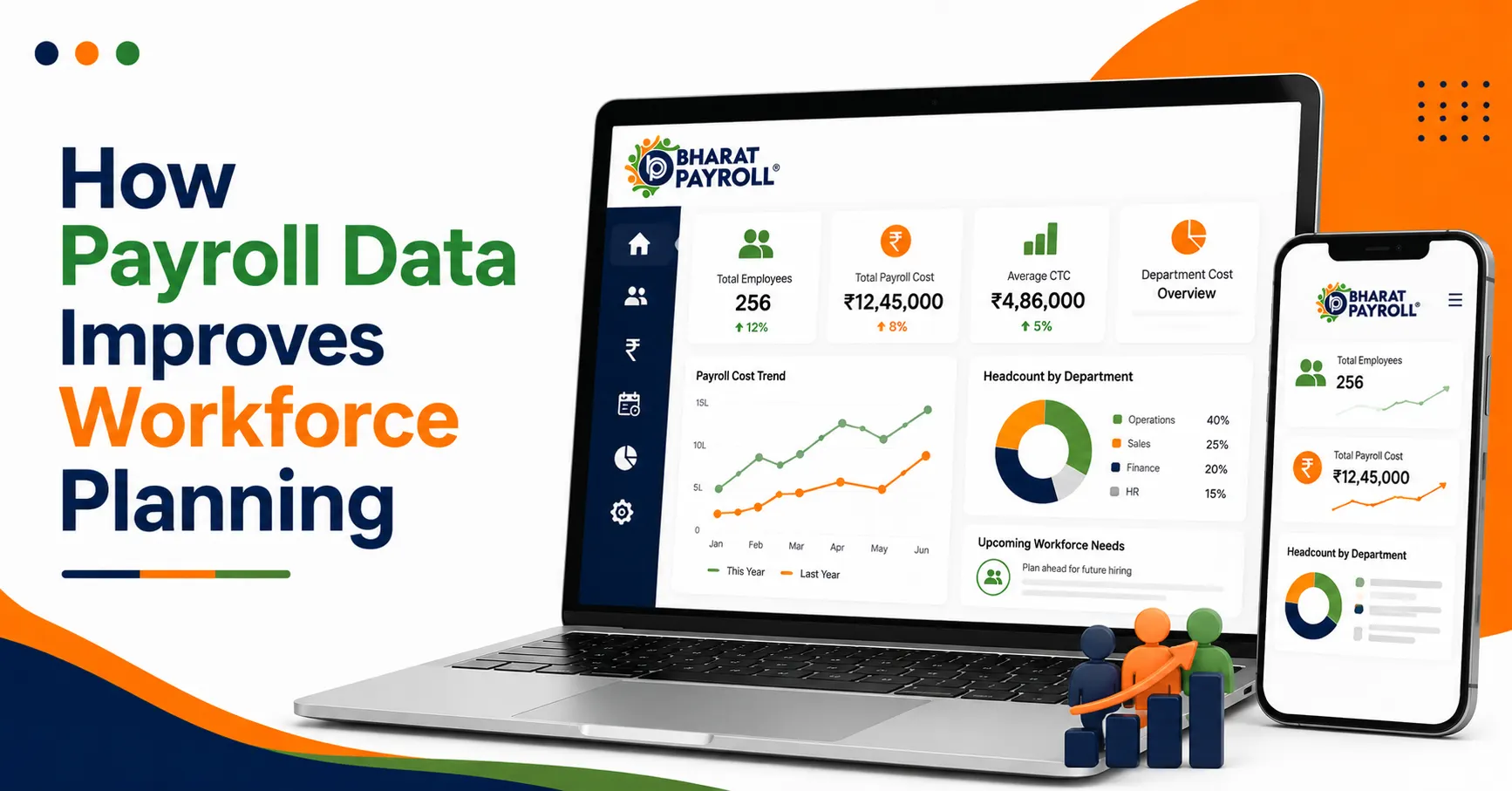
When attendance tracking and payroll systems work together, management gains access to reliable workforce data. Employee hours, overtime trends, absenteeism patterns, and labor costs become visible. This clarity supports informed decisions.
Without integration, data remains fragmented. Reports contradict each other. Leaders hesitate to act. With an integrated platform, data becomes consistent and trustworthy.
Managers can plan staffing more accurately. Resource allocation improves. Employee productivity trends become clear. Performance management aligns with real employee time data. This insight helps Indian organizations control costs while maintaining compliance and employee satisfaction. Integrated payroll turns routine payroll operations into a strategic advantage.
When Integration Becomes Necessary
Use this once to help readers self-identify.
Situation | Signal |
|---|---|
Frequent payroll errors | Integration needed |
Growing workforce | Manual systems failing |
Compliance pressure | Automation required |
If these feel familiar, change is overdue.
Integration Does Not Mean Disruption
Many organizations delay integration out of fear.
With proper planning, integration is smooth. Existing systems are reviewed. Data migration happens carefully. HR professionals receive training. Change management strategies reduce resistance.
The integration process succeeds when people understand the benefit.
Payroll Integration Reduces Dependency on Individual Employees
Many payroll challenges are not system problems. They are people problems.
When payroll and attendance rely on manual processes, organizations depend heavily on specific employees. If a payroll administrator is unavailable, knowledge gaps appear. Processes slow down. Errors increase. This dependency creates operational risk.
HR attendance software with payroll integration reduces this risk significantly. The system follows defined rules, not individual habits. Attendance data flows automatically. Payroll calculations remain consistent. Payroll operations do not stop because one person is absent.
This consistency matters for Indian businesses with growing teams. Integrated payroll creates continuity. It ensures payroll accuracy regardless of staff changes. HR processes remain stable. Management gains confidence that payroll will run correctly every cycle without firefighting or last-minute fixes.
Why Bharat Payroll Recommends Integrated Attendance Systems
At Bharat Payroll, we focus on accuracy, compliance, and trust.
We recommend HR attendance software with payroll integration because it reduces payroll errors, strengthens compliance management, protects sensitive employee information, and improves operational efficiency for Indian businesses.
It is not just a convenience. It is essential infrastructure.
Why Payroll Integration Future-Proofs Growing Indian Businesses
Business growth adds complexity. Payroll complexity grows faster than headcount.
As Indian organizations expand, manual systems struggle. Multiple locations. Different shifts. Diverse employee categories. Compliance requirements increase. Disconnected systems cannot scale without breaking.
HR attendance software with payroll integration prepares businesses for this growth. The integrated system adapts as employee numbers rise. Attendance tracking remains accurate. Payroll processing stays predictable. Compliance management does not become overwhelming.
Future-proofing payroll is not about technology alone. It is about control. Integrated payroll provides structure that grows with the organization. It supports long-term stability, protects sensitive employee information, and ensures payroll accuracy even during rapid expansion. This readiness separates resilient businesses from reactive ones.
Ready to Simplify Attendance and Payroll?
If your organization still relies on manual time tracking or disconnected payroll systems, the risk will only increase.
Frequently Asked Questions
1. Why do you need HR attendance software with payroll integration?
You need HR attendance software with payroll integration to eliminate manual data entry, reduce payroll errors, ensure accurate payroll processing, improve compliance management, and enhance operational efficiency while handling employee time, wages, payroll taxes, and workforce data securely.
2. How does payroll integration improve payroll accuracy?
Payroll integration improves payroll accuracy by syncing attendance data directly with payroll calculations. This removes data entry errors, ensures accurate time tracking, reduces human error, and guarantees employee wages match actual hours recorded by attendance software.
3. Is integrated attendance and payroll suitable for Indian labor laws?
Yes. Integrated attendance and payroll systems support Indian labor laws by enabling accurate payroll taxes, statutory deductions, compliance management, audit-ready attendance records, and alignment with Provident Fund, ESI, professional tax, and wage regulations.
4. How does integration reduce administrative workload?
Integration reduces administrative workload by eliminating duplicate data entry, automating data transfer, simplifying payroll operations, reducing reconciliation efforts, and allowing HR professionals and payroll administrators to focus on workforce management instead of repetitive administrative tasks.
5. Is payroll data secure in an integrated platform?
Integrated platforms secure payroll data through strict access controls, limited authorized personnel access, regular security audits, encrypted data transfer, and secure storage of sensitive employee information, reducing risks from disconnected attendance and payroll systems.