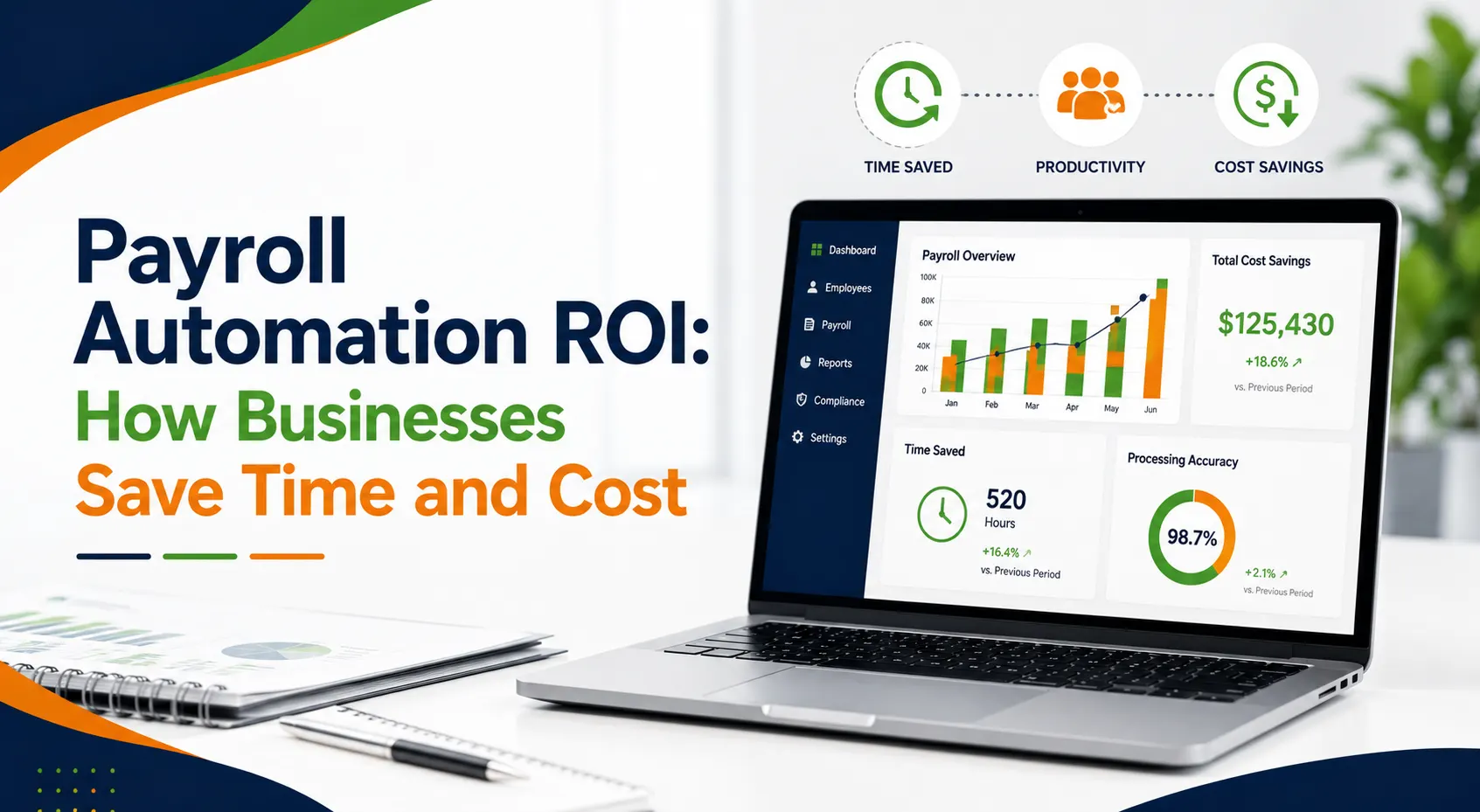

Payroll is one of the most critical business processes in India. Every payroll cycle directly affects employee trust, statutory compliance, and financial accuracy. Yet many Indian businesses still rely on manual payroll, spreadsheets, and repetitive data entry. These manual payroll processes increase payroll errors, slow operations, and expose organizations to compliance risks.
At Bharat Payroll, we work with Indian businesses that are struggling with payroll errors, delayed processing, and compliance pressure caused by manual payroll systems. Payroll automation helps organizations move to accurate, compliant, and scalable payroll operations while reducing finance team workload and statutory risk.
This pillar guide explains what payroll automation is, how automated payroll systems work, their benefits, compliance requirements in India, data security considerations, and how to implement payroll automation successfully.
What Is Payroll Automation?
Payroll automation is the use of an automated payroll system to manage payroll processes with minimal manual intervention. It replaces spreadsheets, emails, and manual calculations with software-driven workflows.
An automated payroll software system handles employee wages, payroll calculations, deductions, pay stubs, direct deposit, and tax filings automatically. Payroll data is stored securely and updated whenever tax laws or statutory rules change.
Payroll automation improves accuracy, efficiency, and operational control by standardizing payroll calculations, automating compliance updates, and reducing dependency on manual inputs across every payroll cycle.
Why Manual Payroll No Longer Works for Indian Businesses
Manual payroll may appear manageable when employee numbers are low. As organizations grow, manual processes create significant risks.
Common problems with manual payroll include:
- Manual data entry increases payroll errors every pay cycle
- Calculating wages manually causes overtime and deduction mistakes
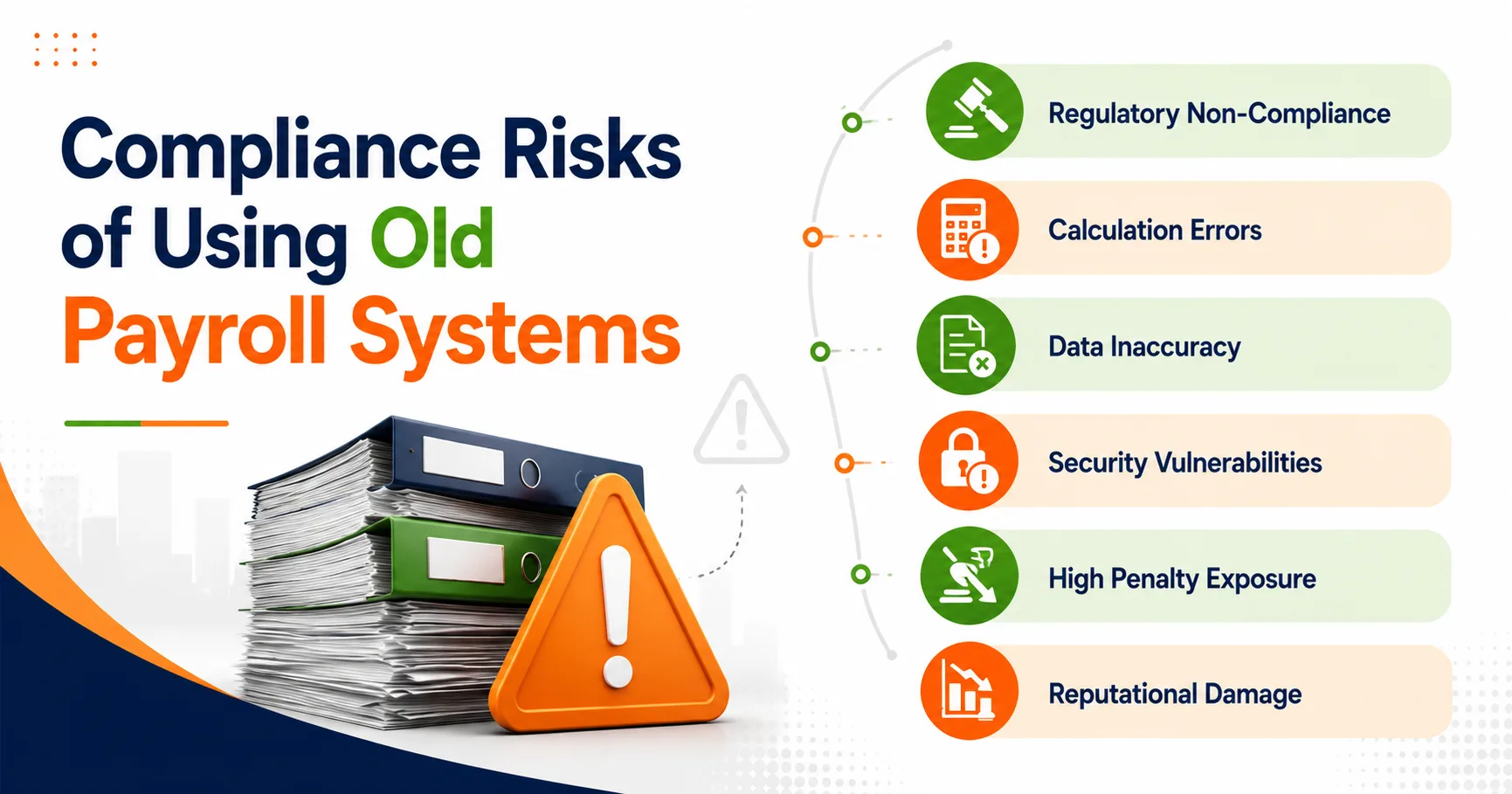
- Changing tax laws increases compliance and penalty risks
- Payroll spreadsheets lack audit trails and access controls
- Manual processes delay payments and payroll reporting
- Handling exceptions requires extra work and repeated corrections
Manual payroll increases workload for finance teams and limits informed business decisions.
How Automated Payroll Systems Work
Payroll automation brings employee records, attendance data, payroll rules, and statutory compliance into a single system that processes salaries accurately without manual calculations or spreadsheet-based workflows.
Step 1: Employee Records Setup
Employee records are stored securely, including salaries, tax information, and bank details.
Step 2: Attendance and Overtime Inputs
Attendance, leave, and overtime data sync with the payroll system.
Step 3: Payroll Calculations
The automated payroll system calculates wages, deductions, and taxes accurately.
Step 4: Compliance Processing
Statutory rules and tax laws are applied automatically.
Step 5: Payments and Pay Stubs
Salaries are processed through direct deposit. Pay stubs are generated instantly.
Step 6: Reports and Tax Filings
The system generates detailed payroll reports and statutory filings efficiently.
Key Benefits of Payroll Automation
Payroll automation delivers long-term operational and financial value.
Major benefits include:
- Reduces payroll errors caused by manual calculations
- Saves time by automating repetitive payroll tasks
- Ensures compliance with changing tax laws
- Improves payroll data accuracy and security
- Provides instant access to digital pay stubs
- Generates detailed payroll reports for audits
- Supports informed decisions using real-time payroll data
- Scales payroll operations as businesses grow
Businesses using payroll automation software experience smoother payroll cycles and fewer disputes.
How Time Tracking Software Improves Payroll Accuracy
Attendance errors are one of the biggest causes of payroll mistakes in India. Manual attendance tracking often results in incorrect overtime calculations and disputes.
Time tracking software integrates directly with an automated payroll system, improving accuracy.
Time tracking improves payroll accuracy by:
- Capturing attendance data in real time
- Automatically calculating overtime hours accurately
- Reducing manual data entry errors
- Syncing attendance with payroll calculations
- Preventing disputes over worked hours
- Supporting compliance with labor regulations
Accurate attendance data strengthens payroll calculations and reduces corrections.
Payroll Automation vs Manual Payroll
| Feature | Manual Payroll | Payroll Automation |
|---|---|---|
| Payroll calculations | Manual and error-prone | Automated and rule-based |
| Compliance updates | Manual tracking required | Automatic statutory updates |
| Processing time | Time consuming | Fast and efficient |
| Payroll errors | Frequent mistakes | Minimal errors |
| Reporting | Delayed and limited | Detailed payroll reports |
| Employee access | Manual pay stub distribution | Self-service portals |
| Scalability | Difficult with growth | Easy to scale |
This comparison explains why Indian businesses are adopting automatic payroll systems.
Payroll Automation in India: Statutory Components Businesses Must Handle
Payroll automation in India goes beyond salary processing. Businesses must comply with multiple statutory requirements every payroll cycle. Manual payroll increases the risk of missed filings and penalties.
Key statutory elements handled through payroll automation include:
- Income tax deductions and employee tax calculations
- Provident Fund contributions for eligible employees
- Employee State Insurance contributions and reporting
- Professional tax calculations based on state rules
- Generation of statutory payroll documents and reports
Automated payroll systems help businesses stay compliant consistently.
Payroll Data Security and Compliance in Automated Systems
Payroll data includes employee records, salaries, tax information, and bank details. Manual payroll and spreadsheets expose this data to security risks.
Payroll automation improves data security through system-level controls.
Payroll automation strengthens data security by:
- Restricting payroll access based on user roles
- Encrypting payroll data during storage and transfer
- Maintaining audit trails for payroll changes
- Preventing unauthorized edits to payroll records
- Securing payroll documents and tax filings digitally
Secure payroll systems protect businesses and employees from financial risk.
How to Choose the Right Payroll Automation System in India
Not every payroll automation software supports Indian statutory requirements. Businesses must evaluate systems carefully.
Key factors to consider include:
- Support for Indian tax laws and statutory deductions
- Automatic updates for regulatory and compliance changes
- Secure handling of payroll data and employee records
- Integration with attendance and accounting systems
- Clear payroll reports for audits and filings
Choosing the right system reduces long-term payroll workload.
Payroll Automation for Different Business Sizes in India
Payroll needs vary based on organization size. A startup with ten employees faces different payroll challenges than an enterprise with thousands. Payroll automation adapts to these differences without increasing complexity.
Small businesses benefit by reducing manual payroll tasks and compliance stress. Medium-sized companies gain better control over payroll data and reporting. Large organizations rely on automation to handle scale, accuracy, and multi-location compliance.
How payroll automation supports different business sizes:
- Small businesses reduce payroll workload and manual errors
- Growing companies manage compliance across expanding teams
- Enterprises handle complex payroll operations at scale
- Multi-location firms manage state-wise statutory requirements
- Seasonal businesses adjust payroll without operational delays
Payroll automation ensures efficiency regardless of company size.
Payroll Reporting and Decision-Making with Automated Systems
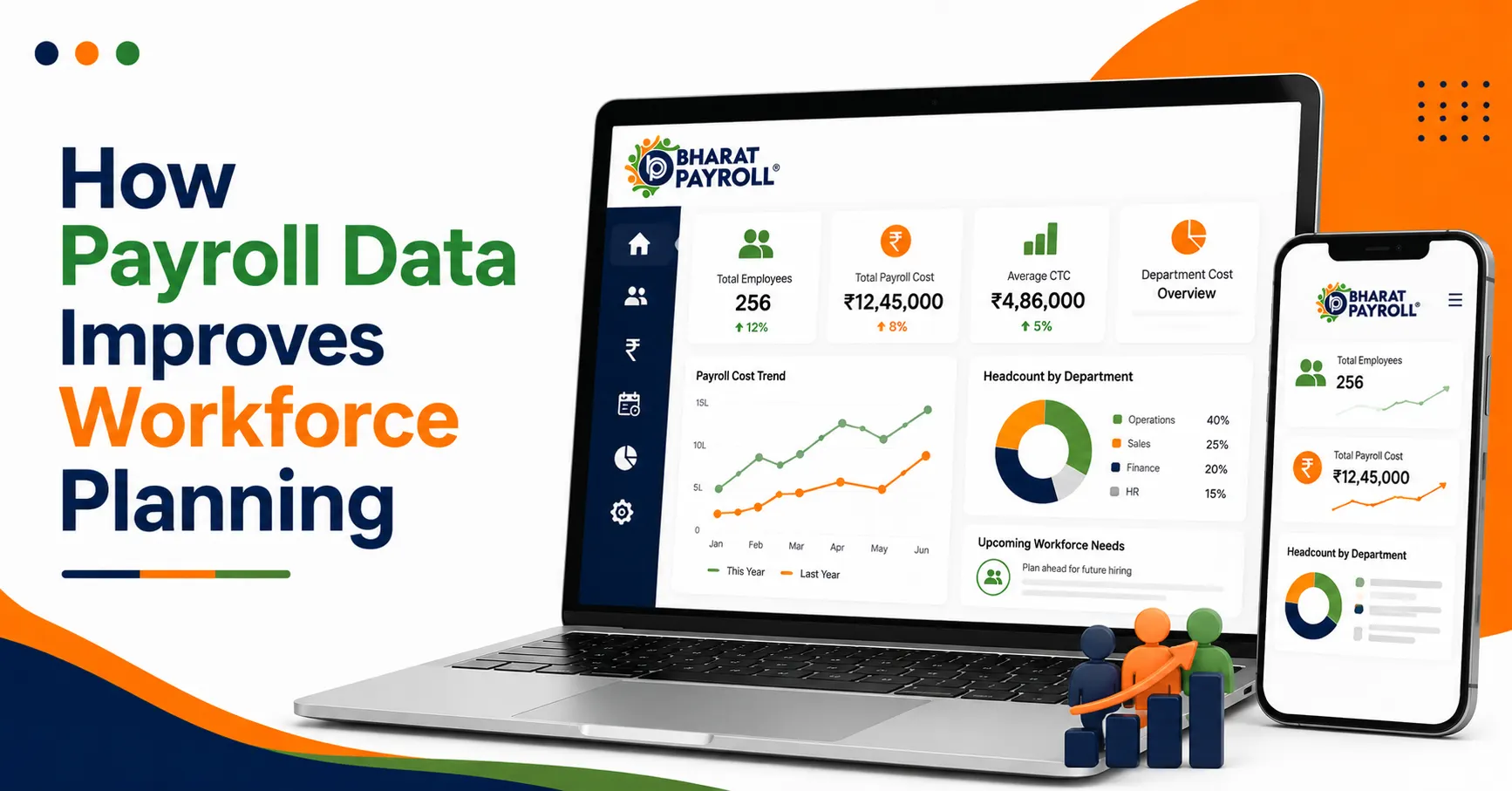
Payroll data is more than salary numbers. When processed correctly, it supports financial planning and workforce decisions. Manual payroll limits access to timely and accurate insights.
An automated payroll system generates structured payroll reports that help finance and leadership teams make informed decisions. These reports reduce dependency on spreadsheets and manual reconciliation.
Payroll automation improves decision-making by:
- Providing detailed payroll reports in real time
- Tracking salary costs and overtime trends accurately
- Supporting budgeting and workforce planning decisions
- Improving visibility into deductions and benefits costs
- Reducing dependency on manual payroll spreadsheets
Reliable payroll reports help businesses plan confidently.
Challenges in Payroll Automation Implementation
Payroll automation implementation requires careful planning, accurate data migration, and a clear understanding of statutory payroll rules. Without expert support, businesses risk configuration errors, compliance gaps, and payroll disruptions during transition.
Common challenges include:
- Migrating payroll data from manual systems
- Aligning payroll rules with company policies
- Training teams on the new system usage
- Integrating payroll software with existing tools
- Managing exceptions during transition periods
Working with an experienced payroll provider reduces implementation risk.
Why Businesses Choose Bharat Payroll
Bharat Payroll provides automatic payroll services designed for Indian compliance, accuracy, and efficiency. We help organizations move from manual payroll to a reliable automated payroll system.
Bharat Payroll delivers:
- Accurate payroll calculations and tax filings
- Secure handling of payroll data and documents
- Detailed payroll reports for audits and reviews
- Compliance with statutory and regulatory requirements
- Smooth payroll automation implementation support
Our focus is on reducing payroll errors, workload, and compliance risk.
Final Takeaway
Payroll automation is essential for Indian businesses managing growth, compliance, and efficiency. Manual payroll increases errors, workload, and regulatory risk.
With Bharat Payroll, organizations implement payroll automation confidently. The right automated payroll system saves time, reduces mistakes, and allows businesses to focus on growth instead of payroll complexity.
Simplify Payroll Operations Today
Automate payroll processes, reduce errors, and stay compliant using Bharat Payroll’s modern payroll automation system.
Frequently Asked Questions
1. What is payroll automation, and why is it important?
Payroll automation uses automated payroll software to manage payroll processes accurately. It reduces manual tasks, payroll errors, and compliance risks. Businesses benefit from faster processing, secure payroll data, reliable tax filings, and improved efficiency across payroll operations.
2. How does an automated payroll system reduce payroll errors?
An automated payroll system removes manual calculations and repetitive data entry. It applies predefined rules for wages, deductions, and taxes. Integration with attendance and compliance updates ensures accuracy, reduces mistakes, and prevents payroll rework every pay cycle.
3. Is payroll automation suitable for small businesses in India?
Yes. Payroll automation helps small businesses manage salaries, statutory deductions, and tax filings efficiently. It reduces time-consuming manual processes and extra work. Small teams gain accurate payroll operations without expanding finance staff or increasing compliance risk.
4. How does payroll automation handle changing tax laws in India?
Payroll automation software updates statutory rules automatically. This ensures payroll calculations, deductions, and tax filings remain compliant. Businesses no longer need to track regulatory changes manually, reducing penalties and compliance risks across payroll operations.
5. What should businesses look for in payroll automation software?
Businesses should look for accuracy, statutory compliance support, secure payroll data handling, integration capabilities, self-service portals, and detailed payroll reports. A modern payroll system should scale easily, support direct deposit, and provide real-time insights for informed decisions.