
HR teams manage many daily requests. Employees ask for pay slips. They update contact details. They check leave balances. They request documents. All of this takes time.
Modern organizations need faster ways to handle these routine HR tasks.
At Bharat Payroll, we work closely with Indian businesses to simplify HR and payroll operations. One of the most effective solutions today is employee self-service.
This guide explains what employee self-service is, how an employee self-service portal works, and why HRMS employee self-service is becoming essential for growing companies.
What Is Employee Self-Service?
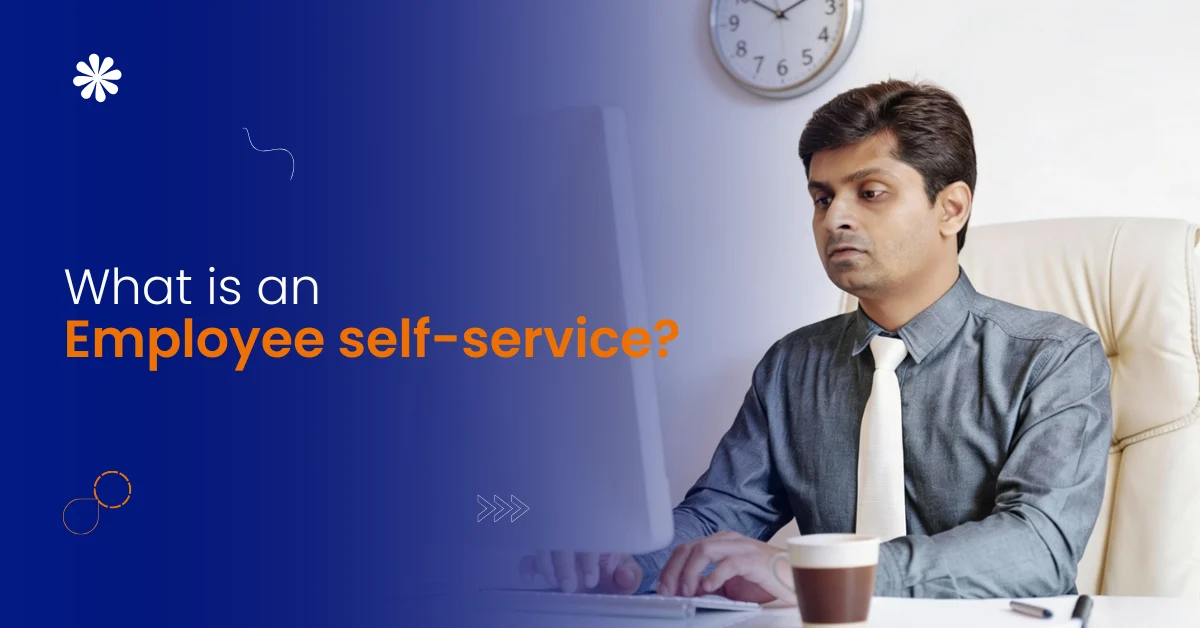
Employee self-service (ESS) is a digital system that allows employees to manage their own HR information.
Instead of contacting HR teams for every request, employees use an online portal. They can view pay stubs, update personal details, apply for leave, and track attendance.
An ESS portal gives employees direct access to their own records.
What Is an ESS Portal?
An ESS portal is a secure self-service portal.
It is part of an HRMS employee self-service system. Employees log in using a browser or mobile device. They access their own personnel data anytime.
The portal connects employees, HR staff, and payroll teams on one platform.
How Employee Self-Service Works
Employee self-service works through structured workflows.
Employees log in. They select a task. The system processes the request. HR teams only step in when approval is required.
This reduces manual work and improves accuracy.
Why Employee Self-Service Is Important Today
Businesses are changing fast.
Employees expect instant access to information. HR departments face an increasing administrative burden. ESS systems help both sides.
Employee self-service technology improves speed, clarity, and trust.
Common HR Tasks Handled Through ESS
ESS portals cover most routine HR tasks.
- Viewing pay stubs and payroll access anytime
- Updating personal details and contact details
- Managing emergency contacts securely
- Applying leave and attendance tracking
- Benefits enrollment and benefits administration
- Request time-off approvals digitally
- Accessing the company knowledge base
How ESS Helps Employees
Employee self-service empowers employees.
They no longer wait for HR responses. They control their own information. This improves employee experience and satisfaction.
Employees feel trusted and engaged.
How ESS Helps HR and Payroll Teams
HR and payroll teams benefit significantly.
ESS systems reduce repetitive work. HR staff focus on strategic initiatives instead of administrative tasks.
Payroll teams get cleaner, accurate employee data.
Employee Self-Service and HRMS Systems
ESS is part of modern HRMS systems.
HRMS employee self-service connects payroll, attendance, benefits, and employee information. All data stays in one system.
This avoids duplicate entries and errors.
ESS and Personal Data Management
ESS portals support personal data management.
Employees update their own information. This includes bank account information, address, and contact details.
This improves data accuracy and reduces HR corrections.
Data Security in Employee Self-Service Systems
ESS systems handle sensitive employee data.
Modern ESS platforms use strong security controls. This includes encryption, access rules, and multi-factor authentication.
Data security is critical for trust.
Role of Multi-Factor Authentication in ESS
Multi-factor authentication protects ESS access.
Employees verify identity using passwords and additional checks. This prevents unauthorized access to personnel data.
Bharat Payroll supports secure ESS access standards.
Employee Self-Service and Payroll Access
Payroll access is a major ESS benefit.
Employees can view pay stubs anytime. They download salary slips. They track deductions clearly.
This reduces payroll queries significantly.
ESS for Attendance Tracking
ESS systems support attendance tracking.
Employees view attendance data. They submit regularization requests. Managers approve digitally.
This saves time and improves transparency.
Benefits Management Through ESS
Benefits management becomes easier.
Employees handle benefits enrollment through self-service tools. They review coverage details. They make selections online.
HR teams track changes automatically.
ESS and Employee Engagement
ESS improves employee engagement.
Employees feel involved. They manage their own records. They track progress and requests.
This builds ownership and accountability.
Cost Savings Through Employee Self-Service
ESS helps businesses save money.
Reduced paperwork. Fewer HR queries. Faster workflows. Lower administrative overhead.
Cost savings grow as organizations scale.
ESS Adoption Challenges
ESS adoption needs planning.
Employees need adequate training. Systems must be easy to use. Internet connection reliability matters.
Good onboarding improves user adoption.
Best Practices for ESS Adoption
Strong ESS adoption requires preparation.
- Choose easy-to-use ESS software
- Provide training and help guides
- Communicate benefits clearly to employees
- Ensure mobile and online access
- Track usage and improve workflows
ESS Platforms and Existing Systems
ESS platforms integrate with existing systems.
They connect payroll software, HR processes, and attendance tools. Integration avoids data silos.
Bharat Payroll supports ESS compatibility.
ESS and Automated Workflows
ESS systems support automated workflows.
Leave approvals. Data updates. Payroll triggers. Everything flows automatically.
This improves efficiency and accuracy.
ESS and Improved Data Accuracy
Employee self-service improves data accuracy.
Employees update their own information. Errors reduce. Payroll processing becomes smoother.
Accurate data supports compliance.
ESS for HR Departments
HR departments gain flexibility.
HR staff move away from manual tasks. They focus on employee experience and strategic initiatives.
ESS changes HR roles positively.
ESS for Growing Indian Businesses
Indian businesses are adopting ESS rapidly.
Remote work. Compliance needs. Payroll complexity. ESS platforms address these challenges.
Bharat Payroll supports ESS for Indian organizations.
Bharat Payroll ESS
Bharat Payroll offers ESS as part of its HRMS.
Employees get online access to payroll, attendance, and personal information. HR teams manage approvals centrally.
The focus stays on simplicity and compliance.
Employee Self-Service vs Traditional HR Processes
Traditional HR depends on emails and spreadsheets.
ESS replaces these with self-service access. It reduces delays. It improves accountability.
Modern ESS systems are essential today.
ESS Technology and the Future of HR
ESS technology continues evolving.
Mobile access. AI-driven insights. Knowledge base integration. All improve employee experience.
ESS platforms will remain core to HR processes.
Final Thoughts: Why Employee Self-Service Matters
Employee self-service is no longer optional.
It improves employee experience. It reduces HR workload. It ensures accurate payroll and data security.
At Bharat Payroll, we help organizations adopt ESS systems that are easy to use, secure, and compliant. If your business wants to simplify HR processes and empower employees, Bharat Payroll is ready to help.
Enable Employee Self-Service With Bharat Payroll
Empower employees with direct access to HR information while reducing administrative burden and improving payroll accuracy securely.
Frequently Asked Questions
1. What is employee self-service?
Employee self-service is a digital system that allows employees to manage their own HR information. Employees can access pay stubs, update personal data, apply for leave, and track attendance without depending on HR staff for routine tasks.
2. What is an employee self-service portal?
An employee self-service portal is an online platform where employees log in securely to access their own personnel data. It connects employees, HR departments, and payroll teams on one system for faster and more accurate HR processes.
3. How does HRMS employee self-service help organizations?
HRMS employee self-service reduces administrative burden on HR teams. Employees handle routine tasks themselves. HR staff focus on strategic initiatives. Payroll accuracy improves, and employee satisfaction increases through transparency and faster access.
4. Is employee self-service secure?
Yes. Modern ESS systems use data encryption, role-based access, and multi-factor authentication. These controls protect sensitive employee data like bank account information, personal details, and payroll records from unauthorized access.
5. Why should Indian companies use ESS systems?
Indian companies benefit from ESS due to compliance needs, payroll complexity, and workforce scale. ESS platforms provide online access, reduce manual HR work, improve data accuracy, and support employee engagement across locations.