People are the foundation of every business. No matter how advanced technology becomes, companies still depend on people to run operations, serve customers, and drive growth. When people are managed well, businesses perform better. When people are managed poorly, even strong companies struggle. This is why human capital management matters.
At Bharat Payroll, we work with businesses that need simple and accurate systems to manage employees, payroll, and workforce operations without complexity. This guide explains what human capital management is, why it is important, and how modern human capital management software supports both employees and employers across the entire workforce.
What Is Human Capital Management
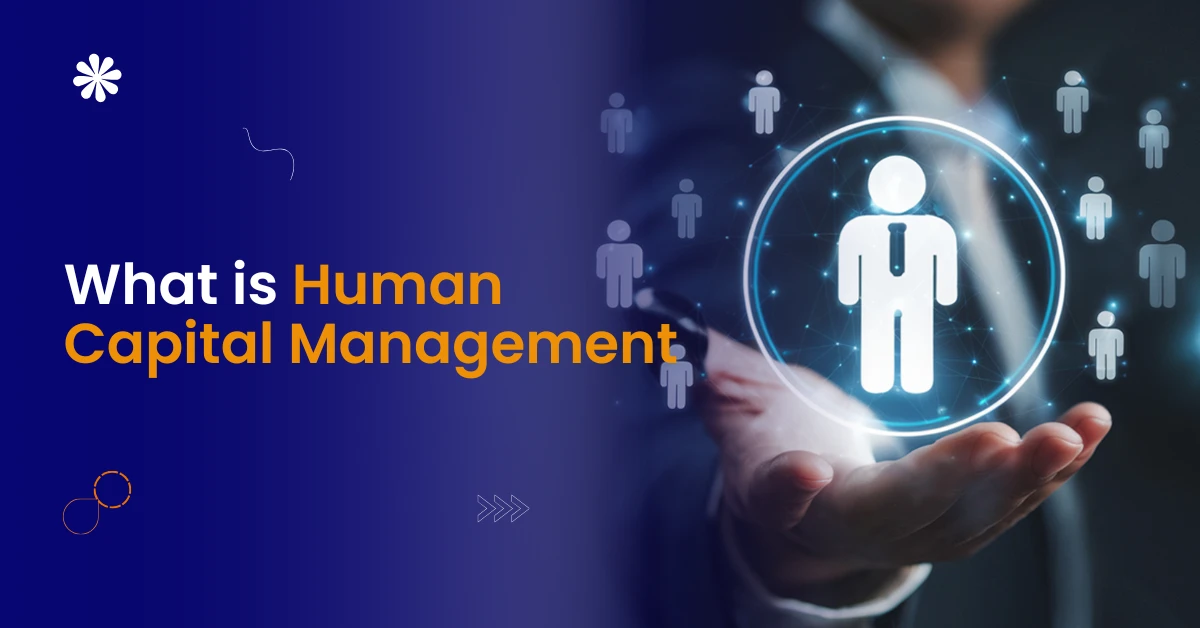
Human capital management is the practice of managing employees throughout their time with a company. It begins when a person is hired and continues through onboarding, daily work, payroll, performance tracking, and long-term retention. The purpose is to help employees do their jobs well while supporting business goals.
Human capital management treats employees as valuable contributors, not just headcount. It focuses on productivity, skill development, and employee experience. Instead of handling people-related tasks through manual processes, businesses use structured systems to manage their workforce in a consistent and organized way.
In simple terms, human capital management helps businesses organize, support, and grow their people over time.
What Is Human Capital Management HCM
Human capital management is often shortened to HCM. HCM combines human resource processes with technology. It uses digital systems to manage employee data, payroll, attendance, performance, and compliance from one place.
An HCM system reduces the need for spreadsheets, emails, and disconnected tools. It improves accuracy and gives HR teams better visibility into workforce information. Instead of switching between systems, everything stays connected and updated.
With HCM, HR professionals spend less time fixing errors and more time supporting employees and business strategy. For payroll teams, HCM ensures employee data stays accurate across pay cycles.
Why Human Capital Management Is Important
Human capital management is important because people drive results. When employee information is scattered or outdated, businesses face payroll errors, compliance risks, and low morale. Over time, these problems slow growth and increase costs.
Strong HCM practices create structure. They help businesses stay compliant with labor laws, improve workforce productivity, and reduce operational risks. Employees benefit as well. Clear processes and reliable systems build trust and reduce confusion.
When people know they will be paid correctly, evaluated fairly, and supported properly, they perform better. Accurate human capital management also prevents payroll delays, salary disputes, and compliance penalties.
Why HCM Matters to Businesses
Human capital management supports both daily operations and long-term planning.
Why HCM matters:
- Helps manage the entire employee lifecycle smoothly
- Improves workforce productivity and performance tracking
- Supports compliance with labor laws and regulations
- Reduces manual HR work and human error
- Aligns people management with business strategy
When HCM systems work well, businesses grow with confidence instead of reacting to problems.
Core HR Functions Covered by Human Capital Management
Human capital management includes all essential HR functions. These functions support employees from the first interaction with the company until their exit.
The goal is to manage people consistently at every stage.
Core HR functions in HCM:
- Recruitment process and hiring new employees
- Employee onboarding and role setup
- Payroll processing and payroll accuracy
- Attendance tracking and workforce management
- Performance reviews and development planning
Together, these functions form the foundation of every HCM system.
Understanding the Employee Lifecycle
The employee lifecycle covers every stage of employment. Human capital management systems are designed to support this entire journey in a structured way.
The lifecycle starts when a candidate applies for a role. It continues through onboarding, daily work, performance reviews, and career development. It also includes payroll, benefits administration, and compliance management. Finally, it covers retention planning and employee exits.
When each stage is managed carefully, employee experience improves, and turnover reduces.
Employee lifecycle stages:
- Recruitment and candidate selection process
- Onboarding and training new employees
- Performance management and skill development
- Payroll, benefits administration, and compliance
- Retention, succession planning, and exits
Managing the full lifecycle helps businesses build stable teams.
What Is HCM Software
HCM software is a digital platform that manages employee information and HR processes in one system. It replaces spreadsheets, manual records, and disconnected tools with automation and structure.
HCM software stores employee data securely and updates it in real time. HR teams can manage payroll, attendance, benefits, and performance without manual tracking. This reduces errors and saves time.
With better systems in place, HR teams can focus on people instead of paperwork.
Human Capital Management Software vs HRIS
Many businesses confuse HCM software with a human resources information system, or HRIS. While both manage employee data, they serve different purposes.
An HRIS mainly focuses on employee records and basic HR administration. Human capital management software goes further. It includes performance management, workforce planning, analytics, and decision support.
HCM platforms provide broader value because they support both operational tasks and long-term workforce strategy.
Key Features of Human Capital Management Systems
Modern human capital management systems include features that support daily HR work and future planning.
Key HCM features:
- Payroll management with consistent payroll accuracy
- Centralized employee data with strong data security
- Attendance and workforce management tools
- Performance management and review workflows
- Reporting for data-driven decisions
These features help HR departments operate smoothly and reliably.
Performance Management in Human Capital Management
Performance management is a core part of HCM. It helps businesses track goals, give feedback, and support employee growth.
Modern HCM systems move beyond yearly reviews. They support regular check-ins, goal tracking, and ongoing feedback. Managers can see progress clearly and address issues early.
Performance management benefits:
- Tracks employee performance against clear goals
- Supports regular performance reviews and feedback
- Identifies top talent and development needs
- Improves workforce productivity over time
- Aligns employee goals with business goals
When performance is managed well, engagement improves.
Talent Management and Succession Planning
Human capital management also supports talent management and succession planning. These processes help businesses prepare for the future.
Talent management focuses on identifying high performers and supporting career growth. Succession planning ensures that key roles are covered when leaders move on or retire.
Talent management support:
- Helps retain employees through growth opportunities
- Supports succession planning for key roles
- Uses data to identify top talent
- Improves employee experience and engagement
- Reduces turnover across the workforce
Planning reduces disruption and risk.
Workforce Management and Attendance Tracking
Workforce management ensures employees are scheduled correctly and paid accurately. Attendance tracking plays a major role in payroll accuracy.
HCM systems record attendance automatically. They track hours worked, leave balances, and schedules without manual input. This improves accuracy and reduces disputes.
Workforce management benefits:
- Tracks attendance and hours worked accurately
- Reduces time theft and payroll errors
- Improves scheduling and labor cost control
- Supports compliance with labor regulations
- Improves productivity across the workforce
Accurate attendance directly improves payroll accuracy and reduces salary corrections.
Payroll and Benefits Administration
Payroll is one of the most sensitive HR functions. Even small mistakes can damage employee trust.
Bharat Payroll focuses heavily on payroll accuracy, compliance, and error reduction across every pay cycle. They ensure salaries, deductions, and benefits are handled correctly every pay cycle.
Payroll and benefits features:
- Ensures accurate payroll calculations every cycle
- Manages benefits administration and deductions
- Supports compliance with tax and labor laws
- Reduces payroll errors and rework
- Improves employee trust in payroll systems
Reliable payroll builds long-term confidence.
Compliance Regulations and Data Security
Compliance is a major responsibility for HR teams. Labor laws, tax rules, and HR policies change often.
HCM systems help businesses stay compliant by keeping records accurate and accessible. They also protect sensitive data with strong security controls.
Compliance support includes:
- Maintaining accurate employee records
- Supporting audit-ready reporting and documentation
- Following labor laws and HR policies
- Protecting employee data with strong security
- Reducing compliance risks for employers
Secure systems protect both employees and businesses.
Data-Driven Decisions With Human Capital Management
Modern human capital management platforms use data to support decision-making. Reports and dashboards help leaders understand workforce trends.
HR teams can analyze productivity, turnover, and compensation data. This helps align HR strategy with business needs and future planning.
Data-driven benefits:
- Improves decision-making using clear reports
- Analyzes workforce productivity and trends
- Supports salary benchmarking and planning
- Aligns HR strategy with business needs
- Improves planning with real-time access
Data turns HR into a strategic function.
HCM for Small Businesses and Large Enterprises
Human capital management works for businesses of all sizes. Small businesses benefit from automation and time savings. Large organizations benefit from scale and consistency.
Modern HCM platforms adapt as companies grow. Systems remain useful as teams expand.
Best Human Capital Management Software and Platforms
The best HCM software combines ease of use with strong functionality. It should support daily HR tasks and long-term planning.
What to look for in HCM software:
- Easy-to-use platform interface
- Strong data security and access control
- Payroll accuracy and compliance support
- Workforce management and performance tools
- Scalable system for business growth
Choosing the right platform supports long-term success.
How Bharat Payroll Supports Human Capital Management
At Bharat Payroll, we help businesses manage people, payroll, and workforce data through one simple and reliable system. Our focus is to reduce complexity while improving accuracy across everyday HR operations.
We support human capital management by connecting payroll, attendance, and employee data into a single platform. This gives HR teams clear visibility into workforce activity and helps them work faster without manual effort.
Bharat Payroll is designed for businesses that want control, compliance, and confidence in their people processes.
How Bharat Payroll Helps
- Ensures accurate payroll processing every scheduled pay cycle
- Reduces payroll errors using automated salary calculations
- Supports compliance with wage and labor law requirements
- Connects attendance data directly with payroll processing
- Provides real-time access to workforce and payroll data
- Improves workforce productivity through automated HR workflows
- Helps HR teams manage the complete employee lifecycle
- Supports secure and compliant handling of employee information
Our approach focuses on simplicity, reliability, and scalability, helping businesses manage human capital effectively as they grow.
Why Human Capital Management Supports Business Strategy
Human capital management connects people management with business goals. It ensures the workforce supports the company’s direction instead of working in isolation.
When HCM systems are in place, businesses gain clarity. They improve productivity, employee experience, and long-term performance.
Conclusion
Human capital management helps businesses manage people effectively at every stage. It supports payroll accuracy, workforce productivity, and compliance.
With the right HCM systems, organizations gain control and clarity. At Bharat Payroll, we help businesses manage human capital with accurate payroll, compliant processes, and reliable systems that support long-term growth.
Ready to Improve Workforce Management
Modern human capital management systems help businesses manage people effectively, improve productivity, and support long-term success.
Frequently Asked Questions
1. What is human capital management
Human capital management is the process of managing employees across hiring, onboarding, payroll, performance, and retention. It helps businesses improve productivity, support compliance, and align people management with long-term business goals.
2. What does HCM software typically include
HCM software includes employee data management, payroll, attendance tracking, benefits administration, performance management, reporting, and compliance tools. These features help HR teams manage the entire employee lifecycle accurately.
3. Why is human capital management important for businesses
Human capital management helps businesses manage employees effectively, reduce errors, support compliance, improve productivity, and create better employee experiences that support sustainable growth.
4. How does HCM improve workforce productivity?
HCM improves productivity by automating HR tasks, tracking performance, managing attendance, and providing clear data insights. This allows HR teams to focus on employee development instead of manual work.
5. How does Bharat Payroll support human capital management
Bharat Payroll supports human capital management by automating payroll, attendance, and employee records in one system. It helps HR teams manage employee data accurately, reduce payroll errors, ensure compliance, and support the full employee lifecycle with less manual work.