
Growing organizations depend on data. They measure performance, track progress, and adjust plans. One of the most useful ways to do this is with KPIs—Key Performance Indicators.
KPIs help teams understand whether they are moving toward key business objectives. They show what works, what needs attention, and where to improve. This helps companies take informed action at the right time.
HR and payroll teams depend on KPIs as much as sales or finance. They measure attendance, payroll accuracy, hiring speed, and employee satisfaction.
Bharat Payroll supports this with automated attendance, payroll, and KPI dashboards. These tools help companies stay aligned with strategic goals and improve future performance.
This guide explains:
- KPI meaning
- Key performance indicators purpose
- Types of KPIs
- Leading and lagging indicators
- KPI examples
- Balanced scorecard
- KPI dashboards and reporting tools
What Is a Key Performance Indicator?
A Key Performance Indicator (KPI) is a measurable value that shows how well a person, team, or company is meeting goals.
A key performance indicator KPI is a measurable value used to track progress toward strategic objectives. KPIs measure performance, highlight gaps, compare past and current results, and support informed decisions.
KPIs make performance easier to understand. They help guide action and focus.
What are KPIs?
KPIs, or Key Performance Indicators, measure how much progress is made toward goals. Strong KPIs show where work is on track and where change is needed.
Clear KPIs help teams stay focused on what drives success.
What Are Performance Indicators?
Performance indicators measure how a task or process performs. Some track customer satisfaction. Others track time, cost, or output.
Only the most important ones, linked to strategic goals, become KPIs.
All KPIs are performance indicators. Not all performance indicators are KPIs.
KPI vs Metrics
Metrics track activity.
KPIs track success.
| KPI | Metric |
|---|---|
| Linked to strategic goals | Tracks activity |
| Shows progress | Shows volume |
| Example: customer retention rate | Example: website traffic |
Metrics measure what happens.
KPIs show whether it matters.
Why KPIs Matter
KPIs help organizations stay focused, improve performance, and achieve goals.
- KPIs help teams monitor progress toward strategic goals by offering clear measures.
- They simplify decision-making because teams rely on real data.
- KPIs highlight strong areas so companies can invest in growth.
- They reveal weak areas early and help teams take action.
- KPIs make it easy to compare past results with current outcomes.
- They support accountability because each KPI has an owner and a target.
- KPIs help measure project success and improve future performance.
Companies grow faster when they track meaningful KPIs.
Qualities of Effective KPIs
Strong KPIs share several traits.
- They are specific and explain what is being measured.
- They are measurable using reliable data.
- They are achievable and support steady growth.
- They support strategic goals and key business objectives.
- They are time-bound, which creates a sense of focus.
These qualities help develop KPIs that guide action.
SMART Method
SMART helps teams set clear goals.
| S | Specific |
| M | Measurable |
| A | Achievable |
| R | Relevant |
| T | Time-bound |
Example:
Reduce payroll processing time from seven days to three days this quarter.
Types of KPIs
1. Strategic KPIs
These KPIs support long-term goals. They show whether plans are helping the business grow. Examples include revenue growth and gross profit margin.
2. Operational KPIs
Operational KPIs measure daily performance. They track routine work, such as service time or ticket closure rates.
3. Leading KPIs
Leading indicators predict future performance. For example, more qualified leads can signal future growth.
4. Lagging KPIs
Lagging indicators measure past performance. Examples include monthly revenue and net profit margin.
Using leading and lagging indicators together offers a balanced view.
5. Financial KPIs
These KPIs help track financial health.
Examples: net profit margin, operating cash flow, and gross profit margin.
6. Sales KPIs
Sales KPIs measure how well the sales team converts leads into sales.
Examples include customer lifetime value, revenue growth, and qualified leads.
7. Marketing KPIs
Marketing KPIs show how well campaigns perform.
Examples include customer acquisition cost, website traffic, and net promoter score.
KPI Examples by Function
1. HR & Payroll
- Time-to-hire measures how fast open positions are filled. Faster results improve productivity and reduce delays.
- Employee turnover rate shows how often employees leave the company. This helps measure culture and satisfaction.
- The customer satisfaction score for HR support shows how employees feel about internal services and reveals areas to improve.
- Payroll accuracy measures how often salaries are processed correctly. High accuracy builds trust and reduces risk.
2. Finance
- Net profit margin measures how much profit remains after all expenses. Strong margins show better financial health.
- Operating cash flow reveals how much money comes from core activities. It helps guide spending and planning.
- Gross profit margin tracks how well the business controls production costs. Higher margins show better product value.
3. Sales
- Revenue growth measures how quickly sales increase. It helps teams understand if strategies are working.
- Customer lifetime value measures the total revenue from one customer. It helps focus on long-term value.
- Qualified leads show how many potential buyers show strong interest. More qualified leads often lead to more sales.
4. Marketing
- Customer acquisition cost shows how much it costs to win one customer. Lower cost means better performance.
- Net promoter score measures customer satisfaction and loyalty. A higher score means happier customers.
- Website traffic shows how many people visit a site. More traffic can mean better awareness and demand.
5. Operations
- Project success rate tracks how many projects finish on time and within plan.
- Turnaround time measures how long tasks take. Quicker work often means stronger processes.
- Resource utilization shows how well tools, time, and people are used. High use means better efficiency.
These examples help measure performance across departments.
Leading and Lagging Indicators
Leading and lagging KPIs provide a full view of performance.
- Leading indicators signal what may happen soon and help prevent risks.
- Lagging indicators show what has already happened and help evaluate past performance.
Both types help plan better.
Balanced Scorecard
The balanced scorecard helps measure more than finances.
It includes financial, customer, internal process, and learning measures.
This balanced focus improves strategy and performance.
KPI Dashboards and Reports
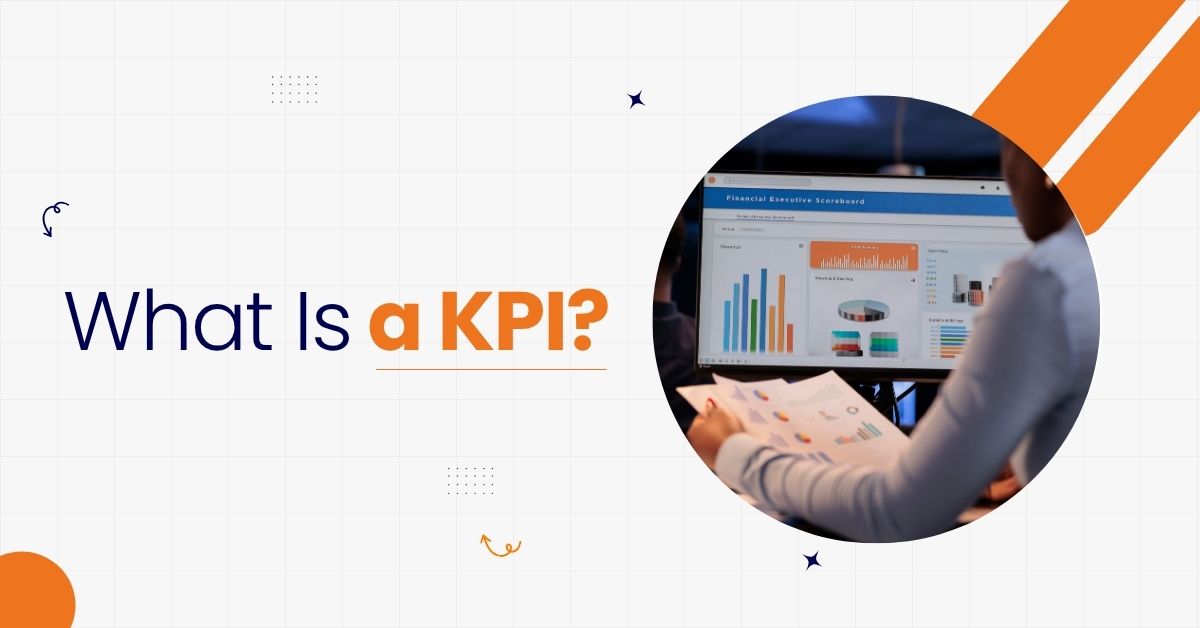
KPI dashboards show live performance in charts. They make KPIs easy to read and compare.
KPI reports summarize progress toward KPI targets. These reporting tools help teams adjust strategy and improve.
Dashboards and reporting tools make it easier to track KPIs and measure progress.
How To Choose the Right KPIs
Selecting the right key performance indicators leads to better results.
- Choose KPIs linked to business goals, so teams stay aligned with strategy.
- Select relevant KPIs that measure real success, not vanity metrics.
- Use leading and lagging KPIs to see both what may happen and what has happened.
- Pick performance measures that support informed decisions and guide action.
Choosing the right KPIs helps teams stay focused.
Real KPI Examples
- Customer retention rate shows how many customers stay with the business and helps measure loyalty.
- Customer lifetime value measures total revenue from one customer over time. Higher value means stronger relationships.
- Net promoter score shows how likely customers are to recommend the brand. It reveals satisfaction and loyalty.
- Gross profit margin helps measure how well product pricing and cost management support profits.
- Operating cash flow shows how much money daily operations generate and helps maintain stability.
Conclusion
KPIs are powerful tools that help companies measure performance, track progress, and stay aligned with strategic goals. They show what works, what needs support, and how to improve future performance. Good KPIs make decisions clearer and keep teams moving forward.
Tools like Bharat Payroll make KPI tracking easy. They support payroll accuracy, attendance tracking, and workforce insights, giving leaders simple dashboards and reports. With better visibility, companies improve faster and reach core goals sooner.
Want to measure payroll KPIs, attendance, and workforce data without manual work?
Bharat Payroll provides automated payroll, dashboards & reporting tools to help you track KPIs and take smarter action.
Frequently Asked Questions
1) What does KPI stand for?
KPI stands for Key Performance Indicator. It is a measurable value that shows how well a person, team, or company is achieving important goals. KPIs help track progress, support decisions, and guide strategic improvement.
2) What are leading and lagging KPIs?
Leading KPIs predict future results, while lagging KPIs show past outcomes. Both types help assess performance, plan, and understand business health. This mix supports stronger decisions by revealing what is working and what may need improvement.
3) What is customer lifetime value?
Customer lifetime value measures the total revenue a business expects to earn from a single customer during the entire relationship. It helps guide marketing decisions, reduce churn, and improve retention strategies by focusing on long-term customer value.
4) Why are KPIs important?
KPIs help leaders measure performance, monitor progress toward strategic goals, and make informed decisions. They highlight strengths, reveal improvement areas, track past results, and ensure teams stay aligned with organizational priorities, helping companies grow steadily.
5) What is the meaning of KPIs?
KPIs measure how well efforts support strategic goals. They help companies understand success, identify problems early, improve planning, support decisions, and track improvements over time. KPIs bring clarity to what matters most.