
Understanding your income starts with knowing your Adjusted Gross Income (AGI). Many people ask what adjusted gross income AGI or gross adjusted income is. Both terms mean the same—your total income after deductions and adjustments.
In India, AGI is similar to Adjusted Total Income under the Income Tax Act. It represents the income used to calculate your tax. It helps you know how much tax you owe after removing deductions like insurance, savings, or home loan interest.
Your AGI affects your taxable income, tax credits, and refunds. With Bharat Payroll, Indian businesses can calculate income, process payroll, and manage compliance with ease.
What Is Adjusted Gross Income (AGI)?
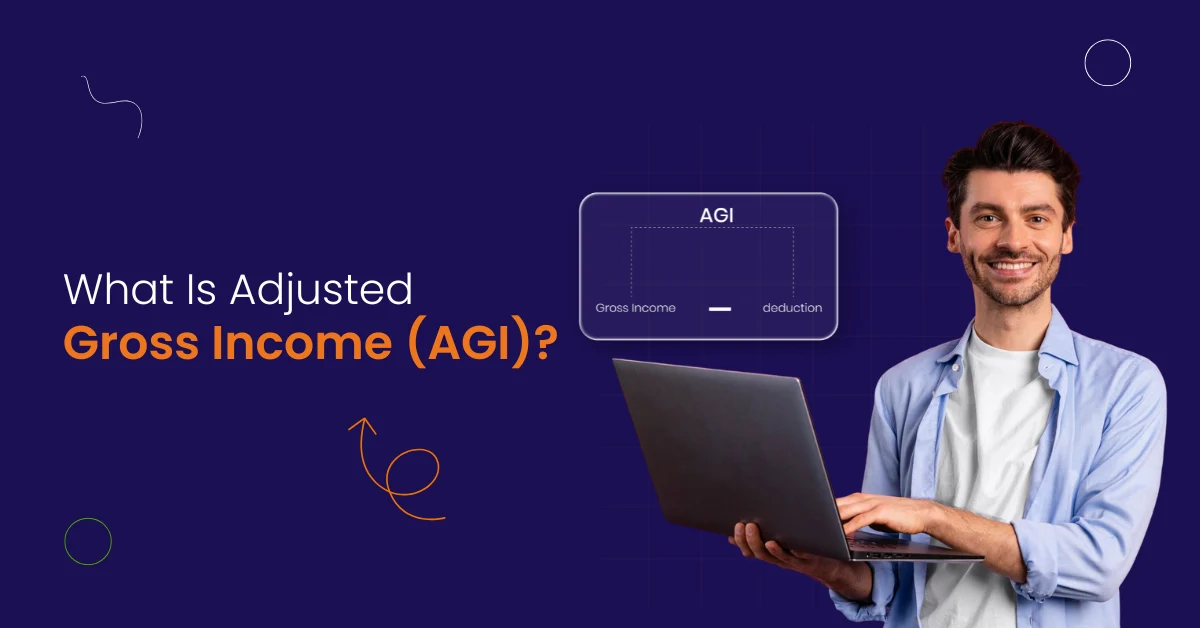
Adjusted Gross Income (AGI) means total income minus allowed deductions. It includes salary, rent, business income, dividends, capital gains, and other earnings.
You subtract deductions such as PF, insurance premiums, and education loan interest to get your AGI.
Example: If your total income is ₹10 lakh and deductions are ₹2 lakh, your AGI is ₹8 lakh. This number is the base for calculating taxable income and income tax.
Why AGI Matters
AGI is not just a number. It affects how you file taxes, claim benefits, and plan finances.
Here’s why it matters:
- It defines taxable income and determines how much income tax you pay.
- It helps you qualify for tax credits like health or education deductions.
- It supports accurate payroll and TDS calculations.
- It ensures better compliance for HR teams and finance departments.
- It improves transparency and avoids mistakes during the tax season.
With Bharat Payroll, AGI and tax calculations are automatic, accurate, and secure.
How to Calculate Adjusted Gross Income (AGI)
Follow these simple steps:
- Add your total income—salary, rent, business income, interest, and dividends.
- Include other sources—freelance work, part-time jobs, or consulting.
- List deductions—PF, NPS, insurance, donations, or education loans.
- Subtract these deductions from total income.
- Apply standard deductions if eligible.
- The remaining number is your adjusted gross income (AGI).
Your AGI forms the link between gross income and taxable income.
Gross Income vs Adjusted Gross Income
| Aspect | Gross Income | Adjusted Gross Income (AGI) |
|---|---|---|
| Meaning | Total income before deductions | Income after applying allowed deductions |
| Components | Salary, business, rent, capital gains, interest | Gross income minus PF, insurance, and expenses |
| Usage | Shows earnings before tax | Used for tax and payroll calculations |
| Result | Higher before deductions | Lower after removing expenses |
This difference helps HR teams and taxpayers file accurate returns and avoid mistakes.
Common Adjustments and Deductions
Your AGI depends on the adjustments and deductions you claim.
Common examples include:
- PF, PPF, or ELSS investments under Section 80C.
- Health insurance premiums under Section 80D.
- Education loan interest under Section 80E.
- Home loan interest under Section 24(b).
- Donations under Section 80G.
- Medical expenses and preventive check-ups.
- Business expenses for self-employed individuals.
Each deduction reduces your AGI and lowers your taxable income.
Modified Adjusted Gross Income (MAGI)
Sometimes you’ll see Modified Adjusted Gross Income (MAGI) on forms. MAGI starts with AGI and adds back some tax-free income, such as foreign earnings or exempt interest.
In India, this idea applies when you qualify for certain rebates or benefits under tax laws.
How AGI Impacts Payroll and Taxes
Your AGI affects how payroll and taxation work in India.
- It decides how much income tax you pay.
- It affects eligibility for deductions and credits.
- It defines your filing status—individual or married filing jointly.
- It impacts the self-employment tax for business owners.
- It determines how much you can save through retirement contributions.
Bharat Payroll connects all these parts and makes AGI tracking simple for HR and finance teams.
How to Reduce AGI Legally
Reducing AGI helps you lower taxes and improve savings.
Legal ways include:
- Invest in NPS, ELSS, or PPF under Section 80C.
- Claim medical insurance under Section 80D.
- Pay education loan interest under Section 80E.
- Deduct home loan interest and valid business expenses.
- Donate to approved charities under Section 80G.
- Use retirement accounts or government savings plans.
All these reduce your AGI and improve your financial situation.
How Bharat Payroll Helps Manage AGI
Bharat Payroll simplifies payroll, income, and tax management.
Key benefits include:
- Automates AGI calculation in each payroll cycle.
- Tracks employee income, deductions, and tax credits.
- Calculates TDS and tax refunds correctly.
- Generates Form 16 and tax reports instantly.
- Supports compliance with Indian tax laws.
- Keeps data secure and transparent.
It saves HR teams time and ensures compliance in every tax year.
Implementing HRMS and Payroll Integration
When you integrate Bharat Payroll with HRMS, payroll becomes smooth.
Steps include:
- Identify payroll and compliance needs.
- Collect employee data and prior year AGI.
- Configure payroll settings for deductions and credits.
- Train HR staff on tax rules and AGI calculation.
- Migrate data safely and check reports for errors.
- Run pilot payrolls to test deductions.
- Go live and review data monthly.
Regular reviews ensure smooth payroll and legal compliance.
Workforce Trends in Payroll Automation
Indian companies are using automation to handle payroll and tax filing more efficiently.
Latest trends include:
- Cloud HRMS platforms for 24×7 access and compliance.
- Digital onboarding for remote employees.
- Data analytics for accurate salary and tax forecasting.
- Mobile access for employee self-service.
- Integration with government systems for error-free e-filing.
These trends improve payroll speed and transparency.
Sample Payroll Workflow
A modern HRMS follows this payroll process:
- Add employees with PAN and salary details.
- Track attendance, leave, and working hours.
- Calculate gross income and apply deductions.
- Compute adjusted gross income (AGI) automatically.
- Approve tax credits and finalize payroll.
- Generate payslips and submit tax returns.
- Review past data and improve next year’s AGI accuracy.
This process ensures faster payroll, better compliance, and clear tax reporting.
Conclusion
Understanding what adjusted gross income (AGI) is is essential for accurate tax filing, payroll processing, and financial planning. AGI connects your gross income, tax deductions, and taxable income, showing your real earnings after allowed adjustments. It also impacts your income tax, refund eligibility, and deduction limits each financial year.
With Bharat Payroll, Indian businesses can simplify AGI management, automate TDS calculations, and ensure payroll compliance without errors. The platform keeps employee income data secure, applies accurate tax rules, and generates transparent reports.
Automate AGI & Payroll With Confidence
Bharat Payroll helps HR and finance teams reduce errors, improve compliance, and save hours every month.
Frequently Asked Questions
1) What is Adjusted Gross Income (AGI)?
Adjusted Gross Income (AGI) means your total earnings after allowed deductions such as provident fund, insurance, and education loan interest. It helps you identify your taxable income, calculate your income tax, and determine eligibility for specific tax credits or refunds accurately.
2) How is AGI different from gross income?
Gross income includes all money you earn before deductions, like salary, business profits, rent, and dividends. AGI subtracts valid deductions and adjustments, such as investments, medical expenses, or insurance premiums, to find the income that is actually taxable under Indian tax laws.
3) Why does AGI matter for payroll and taxes?
AGI affects how much tax you owe and the deductions you can claim. It determines your taxable income, TDS, and refund eligibility. Payroll software like Bharat Payroll calculates AGI automatically to ensure compliance, transparency, and error-free tax reporting for every employee.
4) Can I reduce my AGI legally in India?
Yes, you can reduce AGI through approved deductions like Section 80C investments (PF, ELSS, NPS), health insurance under Section 80D, and education loan interest under Section 80E. Lower AGI helps you qualify for better tax benefits and higher potential refunds.
5) How does Bharat Payroll help manage AGI and compliance?
Bharat Payroll automates AGI calculation and tax deductions for every employee. It manages income data, applies legal deductions, and generates payroll reports. The system ensures compliance with Indian labor and tax laws, saving time and preventing costly mistakes during tax filing.