
Payroll sits at the centre of every salary cycle. It decides how employees are paid, how deductions are applied, how records are maintained, and how businesses stay aligned with statutory rules. In India, payroll is not limited to salary transfer. It covers attendance inputs, gross salary calculation, deductions, payslips, tax treatment, compliance payments, reporting, and recordkeeping. Handled well, payroll builds employee trust and statutory discipline. Handled poorly, it creates salary disputes, compliance exposure, and month-end confusion.
For employees, payroll affects trust. For employers, it affects compliance, cash flow, reporting discipline, and operating control. A missed deduction, a wrong leave adjustment, or a late salary run can quickly create avoidable stress. This is why businesses of every size need a payroll process that is accurate, timely, and clear.
What Is Payroll?
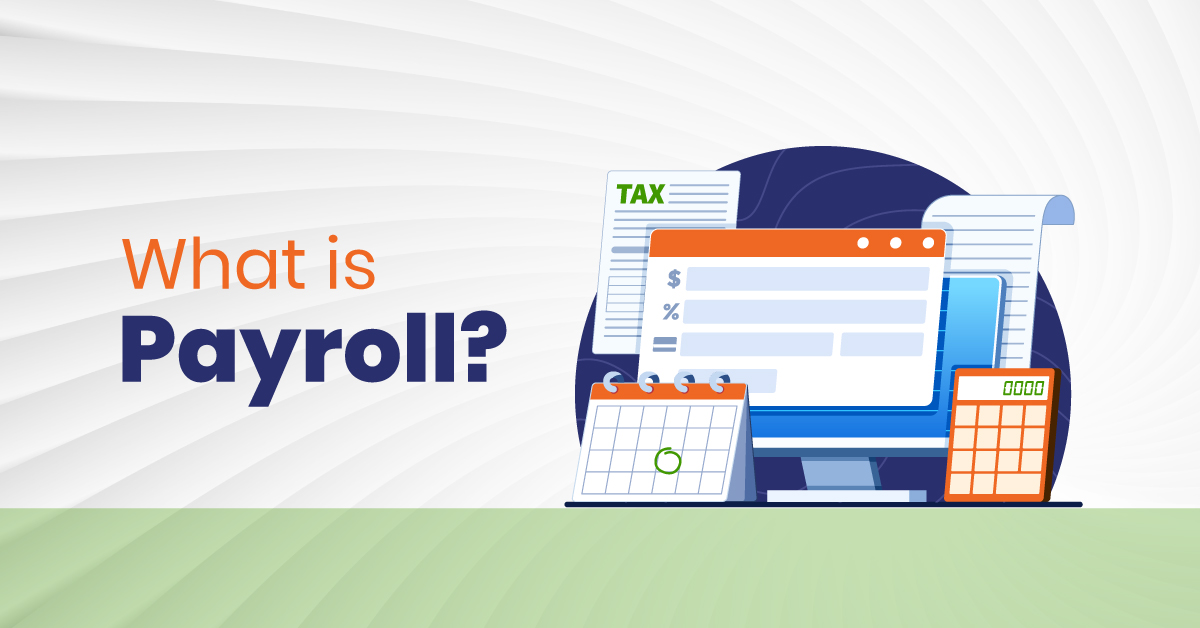
Payroll is the process a business follows to calculate and pay employee salaries for a specific pay period. It starts with preparing employee salary inputs and ends with salary disbursal, statutory payments, and payroll records.
In practical terms, payroll usually includes:
- employee salary details
- attendance and leave inputs
- bonuses, incentives, and reimbursements
- deductions such as PF, PT, ESI, and TDS, where applicable
- payslip generation
- salary transfer
- accounting entries
- compliance reporting
Payroll can also refer to the list of employees who must be paid and the amount due to each of them.
Turn Payroll Calculation Into a Controlled Monthly Process
From attendance inputs and salary components to deductions, payslips, and statutory timelines, Bharat Payroll helps businesses run each payroll cycle with better control and fewer follow-up issues.
Try Bharat Payroll Now
Payroll Meaning for Employers and Employees
From a business point of view, payroll is one of the most important recurring functions. It affects employees every month and touches HR, finance, compliance, and operations.
A payroll process helps businesses:
- pay employees on time
- calculate gross and net salary correctly
- maintain salary records
- deposit statutory deductions within due dates
- prepare reports for management and audit use
- reduce employee payroll disputes
In many companies, payroll is managed by HR and finance together. In smaller organisations, owners or accounts staff may handle it directly. In growing businesses, payroll software becomes important because manual methods begin to slow down the process.
Why Payroll Plays a Crucial Role in Business Setup
Payroll looks simple from the outside. Salaries go out, payslips are shared, and the cycle closes. In reality, payroll carries a lot more weight.
It matters because:
1. Payroll affects employee trust
Employees expect salaries to be right every month. One wrong deduction or one late payment can damage confidence quickly.
2. Payroll affects compliance
Indian payroll includes statutory deductions and reporting requirements. A weak process can expose the business to penalties and notices.
3. Payroll affects cost control
Salary is one of the highest recurring costs in many businesses. Clean payroll records help leadership review employee costs more clearly.
4. Payroll affects operational discipline
A business with unclear attendance, delayed approvals, and scattered salary inputs usually ends up with avoidable payroll issues.
Main Components of Payroll
A salary structure has multiple parts. A payroll calculation depends on how these parts are defined and applied.
Basic Salary
This is the fixed core part of an employee’s salary and usually forms the base for other salary calculations.
Allowances
These may include house rent allowance, conveyance allowance, special allowance, and other company-specific components.
Bonuses and Incentives
These are additional earnings paid based on policy, performance, targets, or one-time business decisions.
Reimbursements
These are expense-related repayments made to employees based on approved claims.
Deductions
Payroll deductions may include Provident Fund, Professional Tax, ESI where applicable, income tax deducted at source, loan recovery, meal recovery, insurance, or other approved deductions.
Gross Salary
Gross salary is the total earnings before deductions.
Net Salary
Net salary is the final amount paid to the employee after deductions.
Cost to Company or CTC
CTC is the broader annual cost of employing a person. It may include gross salary, employer contributions, and additional benefits, depending on the company structure.
Payroll Formula
A simple way to understand payroll calculation is this:
|
Net Salary = Gross Salary – Total Deductions |
Where:
|
Gross Salary = Basic Salary + Allowances + Bonus/Incentives + Other Earnings |
|
Total Deductions = Statutory Deductions + Voluntary Deductions + Other Recoveries |
|
CTC = Gross Salary + Employer Contributions + Benefits |
This formula sounds straightforward, but actual payroll becomes more detailed when attendance, leave loss, overtime, arrears, tax declarations, and one-time payments are included.
Build a Payroll Process You Can Actually Rely On
If payroll still depends on memory, manual approvals, and repeated checking, the process is already too fragile. Bharat Payroll helps businesses create a repeatable payroll workflow that is easier to manage every month.
Step-by-Step Payroll Process in India
A payroll cycle usually moves through three broad stages: pre-payroll, actual payroll, and post-payroll work.
Pre-Payroll Activities
Step 1: Employee Onboarding and Master Data Setup
The payroll process starts when employees are added to the system with the right details.
This includes:
- name and employee ID
- bank account details
- PAN
- address
- date of joining
- salary structure
- employment type
- statutory eligibility
If employee data is incorrect at this stage, the problem usually shows up later in salary processing.
Step 2: Define Payroll Policy
Each business should have clear payroll rules. These rules usually cover:
- pay cycle
- salary structure
- leave and attendance treatment
- overtime rules
- bonus and incentive treatment
- reimbursement policy
- deduction rules
- salary payment date
A business cannot run payroll cleanly if these rules change informally every month.
Step 3: Gather Payroll Inputs
Payroll depends on data coming from multiple places. Common inputs include:
- attendance records
- leave data
- overtime hours
- salary revisions
- incentives and bonuses
- reimbursement claims
- investment declarations
- exit dates
- loss of pay details
This is often the stage where manual businesses start facing delays.
Step 4: Validate Inputs
Before salary calculation begins, payroll inputs should be checked carefully.
This usually includes:
- checking whether all active employees are included
- confirming that resigned employees are not wrongly picked up
- reviewing attendance and leave mismatches
- checking duplicate or missing entries
- validating bonus, arrears, and deductions
- reviewing tax declarations and employee documents
Input validation saves correction work later.
Actual Payroll Activities
Step 5: Calculate Payroll
Once inputs are validated, the actual salary calculation begins. At this stage, the payroll system or payroll team calculates each employee’s gross salary, deductions, and net salary.
This can include:
- basic pay
- allowances
- overtime
- incentive payments
- reimbursement amounts
- PF
- PT
- ESI where applicable
- TDS
- loan deductions
- leave adjustments
- one-time payments or recoveries
This is the core payroll step, and accuracy matters most here.
Post-Payroll Activities
Step 6: Salary Disbursal
Once payroll is approved, salaries are released through bank transfer or other approved payout methods. Businesses must ensure that the salary account has enough funds before disbursal.
At this stage, payslips are also issued to employees.
Step 7: Payroll Accounting
Salary is a major operating expense, so payroll entries must be posted properly in the accounting system. This helps finance teams review department cost, employee cost, and monthly payroll outflow.
Step 8: Statutory Payments and Reporting
After deductions are made, the employer must deposit the required amounts with the respective authorities within the due dates.
These commonly include:
- Provident Fund
- ESI where applicable
- Professional Tax
- TDS
The related forms, returns, and reports must also be filed as required.
Payroll Calculation Example
Here is a simple example for understanding payroll calculation. Assume an employee has:
- Basic Salary: ₹25,000
- HRA: ₹10,000
- Special Allowance: ₹8,000
- Incentive: ₹2,000
Gross Salary = ₹45,000
Now assume deductions are:
- PF: ₹1,800
- Professional Tax: ₹200
- TDS: ₹2,500
Total Deductions = ₹4,500
Net Salary = ₹45,000 – ₹4,500 = ₹40,500
This is a simplified example. In actual payroll, leave loss, arrears, reimbursements, overtime, and state-specific rules may affect the result.
Still Calculating Payroll in Sheets Every Month?
When payroll depends on scattered files, late inputs, and manual checks, salary errors become more likely. Bharat Payroll helps HR teams move from monthly firefighting to a structured payroll process.
Statutory Compliance in Payroll
Indian payroll must follow legal and tax-related requirements. This is one reason payroll becomes difficult when handled casually or through scattered spreadsheets.
Common payroll compliance areas include:
Provident Fund
PF deduction and employer contribution must be handled correctly where applicable.
Employees’ State Insurance
ESI applies based on employee eligibility and wage thresholds.
Professional Tax
Professional Tax rules depend on the state where employees are located.
Tax Deducted at Source
TDS must be calculated according to tax rules, declarations, and the employee’s taxable income.
Gratuity and Other Applicable Obligations
Some obligations arise based on tenure, workforce size, and employment conditions.
A compliant payroll process is not only about deduction. It is also about timely payment, reporting, and record maintenance.
Methods of Processing Payroll
Businesses usually use one of these methods.
1. Spreadsheet-Based Payroll
This is common in smaller businesses during the early stages. It may look low-cost at first, but it brings several issues once the employee count grows.
Common problems include:
- formula errors
- duplicate entries
- missing deductions
- poor visibility
- difficulty in reconciliation
- slow monthly processing
2. Payroll Outsourcing
Some businesses hand payroll work to an external service provider. This can reduce internal administrative work, though the business still needs to provide correct inputs on time.
3. Automated Payroll Software
Automated payroll software helps businesses calculate salaries, apply deductions, generate payslips, prepare reports, and manage compliance workflows with less manual work.
For growing organisations, this usually becomes the most practical model.
Manual Payroll vs Automated Payroll
The difference becomes clearer once the business grows.
|
Area |
Manual Payroll |
Automated Payroll |
|
Processing speed |
Slow |
Faster |
|
Error risk |
Higher |
Lower |
|
Compliance handling |
More manual |
Better control |
|
Reporting quality |
Limited |
Stronger visibility |
|
Scalability |
Weakens with growth |
Supports growth better |
|
Dependence on individuals |
High |
Lower |
Common Payroll Challenges
Payroll issues do not usually come from one big mistake. They come from repeated small gaps.
Common challenges include:
Compliance Pressure
Payroll rules are detailed and can vary across deductions, thresholds, and filing requirements.
Weak Input Control
Attendance, leave, revision data, and reimbursement inputs often come from different teams and create mismatch points.
Spreadsheet Dependency
Manual payroll may still work for a small team, but it becomes fragile as headcount and salary complexity increase.
Data Security
Payroll uses sensitive employee data. Weak handling can create privacy risk.
Payroll Query Load
HR teams often spend too much time answering salary, deduction, and payslip questions that a stronger system could handle better.
Why Businesses Shift from Manual Payroll to Payroll Software
Most businesses do not change payroll systems because payroll is fashionable. They change because manual payroll starts slowing the business down.
Common reasons include:
- payroll takes too many days every month
- employee count has increased
- tax and deduction handling feels risky
- HR teams answer the same salary queries repeatedly
- attendance and payroll are disconnected
- management wants better reports and visibility
This is usually the point where payroll software stops being optional and starts becoming operationally necessary.
Responsibilities of HR and Payroll Teams
HR and payroll work closely, though their roles are not identical.
HR usually manages:
- employee data
- leave and attendance inputs
- salary revisions
- policy communication
- employee support
Payroll usually manages:
- salary calculation
- deductions
- payslips
- salary disbursal
- accounting coordination
- statutory reporting
When HR and payroll are disconnected, errors rise quickly.
How Bharat Payroll Helps Businesses Manage Payroll Better
Bharat Payroll is built for businesses that want payroll to be more controlled, accurate, and easier to manage each month. Instead of depending on scattered files, repeated manual checks, and delayed corrections, businesses can move towards a cleaner payroll workflow.
Bharat Payroll helps teams:
- calculate salaries more accurately
- connect payroll with attendance and leave workflows
- reduce repeated manual work
- prepare payslips and payroll reports faster
- improve visibility across payroll cycles
- support statutory payroll handling with better control
For growing businesses, this matters because payroll should not become heavier every time headcount grows.
Signs Your Business Needs Better Payroll Management
A business should review its payroll setup if:
- Payroll takes several days every month
- Employees regularly raise salary or deduction questions
- Attendance corrections delay salary closure
- Tax and statutory review feels rushed
- Spreadsheets are still the main payroll tool
- Management wants faster payroll reports
These are not small signs. They usually point to a payroll process that needs stronger structure.
Final Thoughts
Payroll is one of the most important recurring functions in any business. It affects employees directly, shapes compliance quality, and influences financial reporting every month. A weak payroll process creates corrective work, confusion, and avoidable risk. A strong payroll process creates confidence.
Once businesses understand payroll meaning, salary components, process flow, and calculation logic properly, they are in a better position to improve payroll control. That is where structured systems and payroll software become useful. Bharat Payroll helps businesses bring salary processing, recordkeeping, and payroll workflows into one cleaner operating setup.
Make Payroll Simpler, Clearer, and More Reliable
Run salary processing, payslips, deductions, and payroll review with better control through Bharat Payroll.
Frequently Asked Questions
1. What is payroll in simple words?
Payroll is the process a company uses to calculate employee salaries, apply deductions, pay employees, and maintain payroll records for each pay cycle.
2. What is the formula for payroll calculation?
The basic payroll formula is: Net Salary = Gross Salary – Total Deductions.
3. What are the main steps in the payroll process?
The main steps are onboarding and data setup, payroll policy definition, input collection, input validation, salary calculation, salary payment, accounting, and statutory reporting.
4. What is the difference between gross salary and net salary?
Gross salary is the total earnings before deductions. Net salary is the final amount paid to the employee after deductions.
5. Why is payroll important for businesses?
Payroll is important because it affects salary accuracy, employee trust, statutory compliance, reporting, and financial control.
6. Which statutory deductions are common in Indian payroll?
Common statutory deductions include Provident Fund, Professional Tax, ESI, where applicable, and Tax Deducted at Source.
7. Can small businesses use payroll software?
Yes. Small and growing businesses can use payroll software to reduce manual work, improve accuracy, and handle payroll more consistently.
8. Is payroll handled by HR or finance?
Payroll often involves both HR and finance. HR usually supports employee data and attendance inputs, while payroll and finance handle salary calculation, payment, and reporting.
9. What is a payroll cycle?
A payroll cycle is the time gap between two salary payments. In India, the most common payroll cycle is monthly.
10. How does Bharat Payroll help with payroll management?
Bharat Payroll helps businesses manage salary calculation, attendance-linked payroll inputs, payslips, reporting, and payroll control with a more structured workflow.