Workplaces look very different today. Many people work from home or follow hybrid schedules. Teams are spread across different cities and time zones. They use digital tools, chat apps, and online meetings to stay connected.
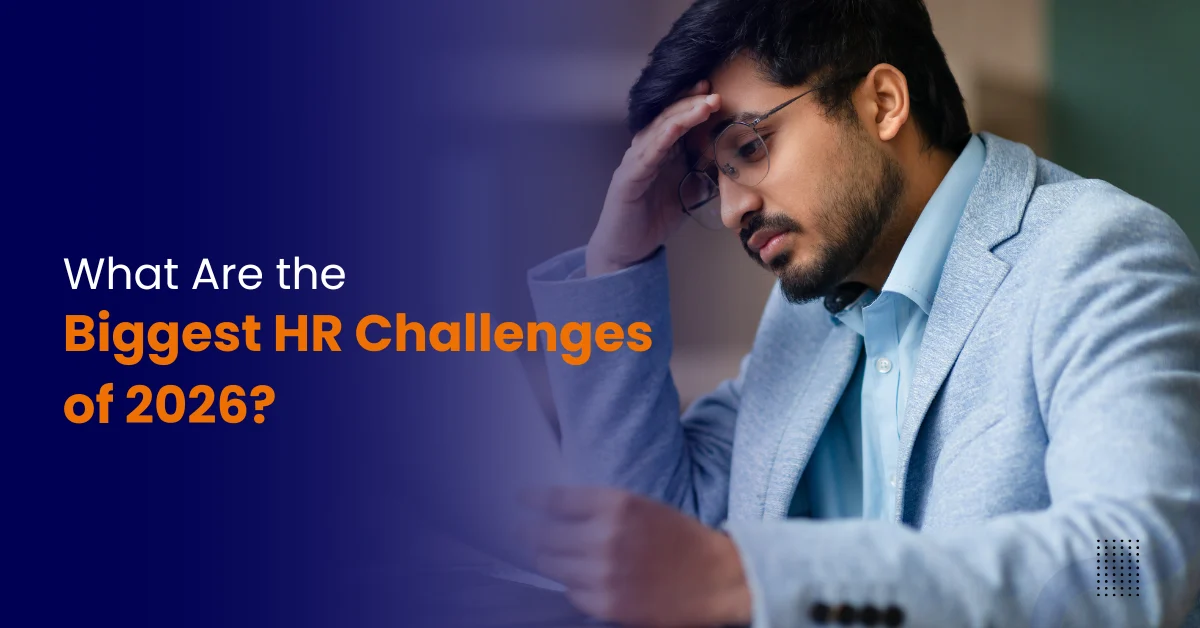
These changes create big HR challenges in 2026. HR must manage hiring, planning, employee engagement, payroll, compliance, learning programs, and performance reviews. HR leaders help employees feel safe, supported, and respected at work.
Automation and AI tools save time for HR. Platforms like Bharat Payroll automate onboarding, attendance, payroll, and digital records. This helps HR focus on training, planning, employee support, and workplace improvement.
1. Remote and Hybrid Workforce Planning
Remote work became normal in many companies. Some employees work full-time from home. Others visit the office a few days a week. This gives employees more comfort and flexibility. But it also brings new challenges for HR teams.
Remote HR challenges include:
- Helping teams communicate online
- Training new employees with clear steps
- Tracking attendance, tasks, and documents
- Supporting employee well-being and stress
- Keeping accurate records for audits and compliance
Remote work can feel lonely for some employees. They miss in-person teamwork. HR can improve this by planning virtual meetups, daily chats, or fun team messages. These small ideas improve morale, job comfort, and team bonding.
HR must guide managers as well. Leaders need soft skills, patience, and emotional intelligence. They should check in often, listen to concerns, and bring clarity to new responsibilities.
2. Competitive Talent Acquisition
Hiring is harder in 2026. Skilled employees receive many job offers at the same time. Some companies have limited budgets for job ads and recruiters. Teams also need new skills for AI tools, analytics, automation, and digital transformation.
Main hiring challenges:
- Strong competition for top talent
- Limited budgets for hiring programs
- Faster hiring cycles due to market shifts
- More rules for fair screening
- Higher need for teamwork and soft skills
Hiring is no longer a simple task. It connects to business success, culture, and long-term planning. HR must understand skill needs clearly and make fast decisions.
AI helps with resume screening and task automation. It reduces repetitive work. But HR must use responsible AI to avoid bias and protect employee trust.
To stay ahead, HR can try:
- Referral programs
- Student hiring and internships
- Cross-functional hiring for short roles
- Internal mobility and skill mapping
These hiring ideas lower delays and improve business outcomes.
3. Employee Learning and Skill Development
Technology grows fast. Automation brings new tools and new job needs. Employees must learn often to stay confident and productive.
Learning challenges:
- Choosing the right skills for each role
- Keeping employees engaged in training
- Tracking learning with simple dashboards
- Reducing fear of automation
- Helping employees learn during work hours
Some employees feel stressed when they see new AI tools. HR should explain that AI reduces repetitive tasks, not human creativity or leadership.
Learning helps employees build confidence. They grow faster, work better with teams, and move into new roles with ease. HR can support learning using:
- Short video lessons
- Online courses
- Mentorship programs
- Project-based learning
- Leadership training for managers
Continuous learning improves retention, teamwork, and career advancement. It prepares companies for new tools and market needs.
4. Compliance and Risk Management
Compliance becomes harder with remote work. Records must be accurate for many locations. Tax rules, attendance, payroll data, and safety rules must stay consistent and clear.
Main compliance needs:
- Correct payroll and taxes
- Clear attendance and shift records
- Safe and secure record storage
- Support for employee rights and well-being
- Responsible use of employee data and AI
If compliance is weak, companies face confusion, stress, or legal risks. Digital tools make compliance simple by storing documents safely, reducing errors, and making audits faster.
Compliance helps employees feel safe and supported. It protects business leaders and builds trust between HR and the workforce.
5. Payroll Complexity
Payroll is more complex when employees work across different cities or countries. HR must track hours, shifts, benefits, and taxes. Errors cause stress for both employees and HR.
Payroll challenges:
- Remote attendance and shift tracking
- Multiple tax rules and benefits
- Bonus and overtime clarity
- Data storage for audits
- Budget pressure and slow approvals
Cloud payroll platforms like Bharat Payroll automate payroll, attendance, onboarding, and compliance. It reduces confusion, improves accuracy, and creates a smooth payroll experience.
Accurate payroll improves trust and job comfort. Employees feel respected and secure when payroll is correct and easy to understand.
6. Employee Engagement and Retention
Retention is a top HR priority in the year ahead. Employees want flexible schedules, support, learning programs, recognition, and emotional safety. Hybrid work makes engagement harder because teams do not meet daily.
Employee retention challenges:
- Less teamwork between remote employees
- Low recognition for digital work
- Unclear role progression or career paths
- Stress from workload or job security fears
- Slow feedback from managers
Retention improves when employees feel valued and supported. HR can use:
- Weekly feedback sessions
- Simple rewards and recognition messages
- Flexible hours and stress support
- Learning plans and coaching
- Pulse surveys for real concerns
Retention supports teamwork, culture, morale, productivity, and business success.
7. HR Analytics and Performance Management
HR analytics help leaders understand real employee needs. It supports better decisions without guessing.
Analytics help HR teams:
- Improve performance reviews
- Plan workforce needs
- Reduce bias in hiring
- Track skills and learning
- Monitor attendance and burnout risks
AI tools connect workforce data and show patterns early. HR can plan easier and respond faster. Analytics improve teamwork, communication, and workplace growth.
8. Employee Well-Being and Emotional Safety
Employee well-being is important in 2026. Remote employees may feel lonely, tired, or disconnected. They may face stress due to unclear roles or long meetings.
Well-being support:
- Virtual meetups and team connections
- Flexible hours and short breaks
- Positive feedback and simple rewards
- Stress support and mental health tips
- Clear expectations and calm communication
Well-being increases morale, teamwork, long-term loyalty, and workplace health.
9. Simple HR Improvements for 2026
HR teams can improve daily work with small and clear actions. These ideas help with remote teamwork, hiring, learning, compliance, and retention. They also support better performance management, employee engagement, and business outcomes.
i. Remote and Hybrid Success Tips
- Share short messages instead of long emails
- Use one tool for team chats and updates
- Record meetings for employees in other time zones
- Keep onboarding steps simple and visual
- Use checklists for new responsibilities
- Hold weekly planning calls to avoid confusion
ii. Better Talent Acquisition
- Ask employees for referrals
- Share job posts on school or alumni boards
- Choose short interviews to save time
- Look for teamwork and soft skills, not just technical skills
- Use clear job descriptions with simple language
iii. Continuous Learning Support
- Offer short online lessons instead of long courses
- Share micro-learning videos inside internal chat tools
- Assign mentors for new employees
- Set small and realistic learning goals
- Recognize employees when they complete a course
iv. Easy Compliance Habits
- Store all payroll and attendance records digitally
- Update tax and shift changes daily
- Create simple rules for remote work documentation
- Review records quarterly for better audits
- Keep all policies in one shared folder for employees
v. Retention and Engagement Support
- Send thank-you notes for small wins
- Offer short wellness breaks
- Let employees share feedback safely
- Celebrate small achievements once a week
- Keep performance reviews short and friendly
These small HR practices make work easier, reduce confusion, and improve long-term employee happiness. They also reduce risk management issues, improve teamwork, and help HR leaders stay ahead of new workplace trends.
Conclusion
HR in 2026 manages hiring, remote work, payroll, compliance, learning, and employee well-being. HR leaders support teamwork and long-term workplace success.
Cloud platforms like Bharat Payroll remove routine tasks and improve accuracy. This helps HR focus on people, planning, culture, and business growth.
Simplify HR Workflows in 2026
Bharat Payroll automates onboarding, attendance, payroll, and compliance for hybrid employees and HR teams across multiple locations.
FAQs
1. What are the biggest HR challenges of 2026?
The biggest HR challenges include hiring, planning, employee engagement, payroll, compliance, learning, and performance reviews. HR teams use automation to reduce manual work and support remote employees. This improves accuracy, teamwork, and workplace success for long-term business goals.
2. Why is continuous learning important?
Continuous learning helps employees grow skills and stay confident. It supports better teamwork, job comfort, and career growth. Learning also reduces stress from automation and prepares companies for new job needs in the future.
3. Why is compliance harder today?
Compliance is harder because payroll, attendance, taxes, and documents must be correct in many places. Digital records reduce confusion and protect companies from legal risks. Automation makes audits easier and improves trust for employees and business leaders.
4. How does AI support HR teams?
AI helps HR automate onboarding, attendance, payroll, and reporting. It reduces manual work and improves accuracy. Automation gives HR more time for employee coaching, teamwork, communication, and planning, leading to better workplace results.
5. How can HR improve retention and engagement?
Retention improves when employees feel safe and valued. HR can use pulse surveys, recognition programs, flexible hours, and feedback sessions. These actions improve morale, teamwork, job comfort, and long-term workplace success.